Deep Fog, Deep Lessons, Deeper Caves — Mount Etna
by Brooks & Jess — Nomad Wildlife
Many people cringe at the thought of hiking on the largest active volcano in Europe. I’ll be honest—so did I. There’s an uneasiness that comes with standing so close to something that powerful, something that decides life and landscape on its own terms. But if you quiet your mind and let curiosity step forward, fear has a way of transforming. Risk turns into education. And the adrenaline rush becomes learning, not panic.
This isn’t a story about discovering something new. It’s a story about being brave enough to stand in front of something I once feared, and realizing it gives life, supports those who respect it, and teaches lessons that stay with you.
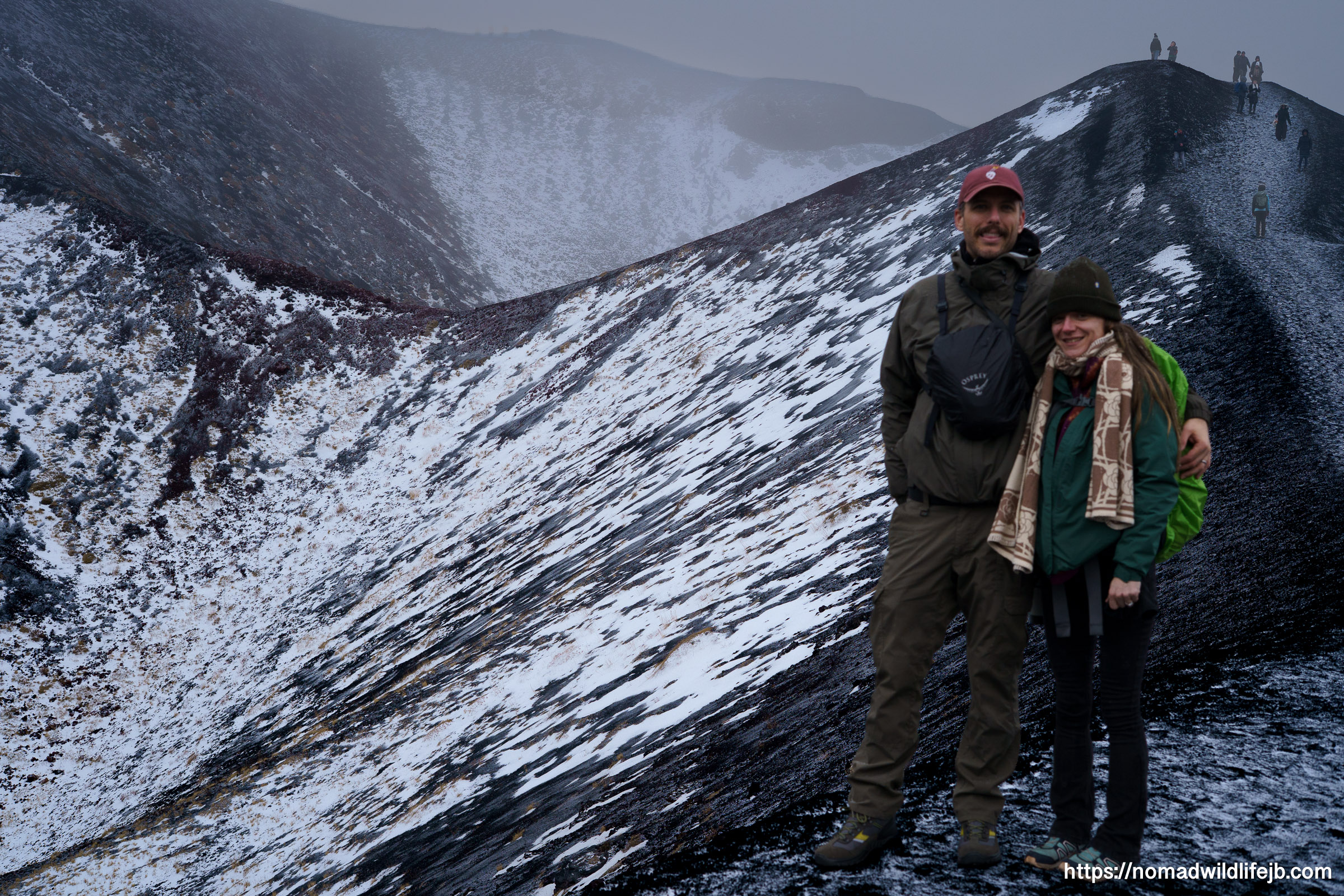
Mount Etna is the most active volcano in Europe, a true superpower of the natural world. Just three days before our tour, she erupted — not violently, not dramatically, just… casually. Like someone rolling over in their sleep. A quiet reminder of who’s really in charge here. So yes, I was nervous. Anxious, even. My only real volcanic experience had been in Hawai‘i, and I never got close enough then to feel it like this. But this time? This time we hiked across “Mamma Etna” herself, along with several of her “children”—the secondary cones and craters surrounding her like a constellation of scars.
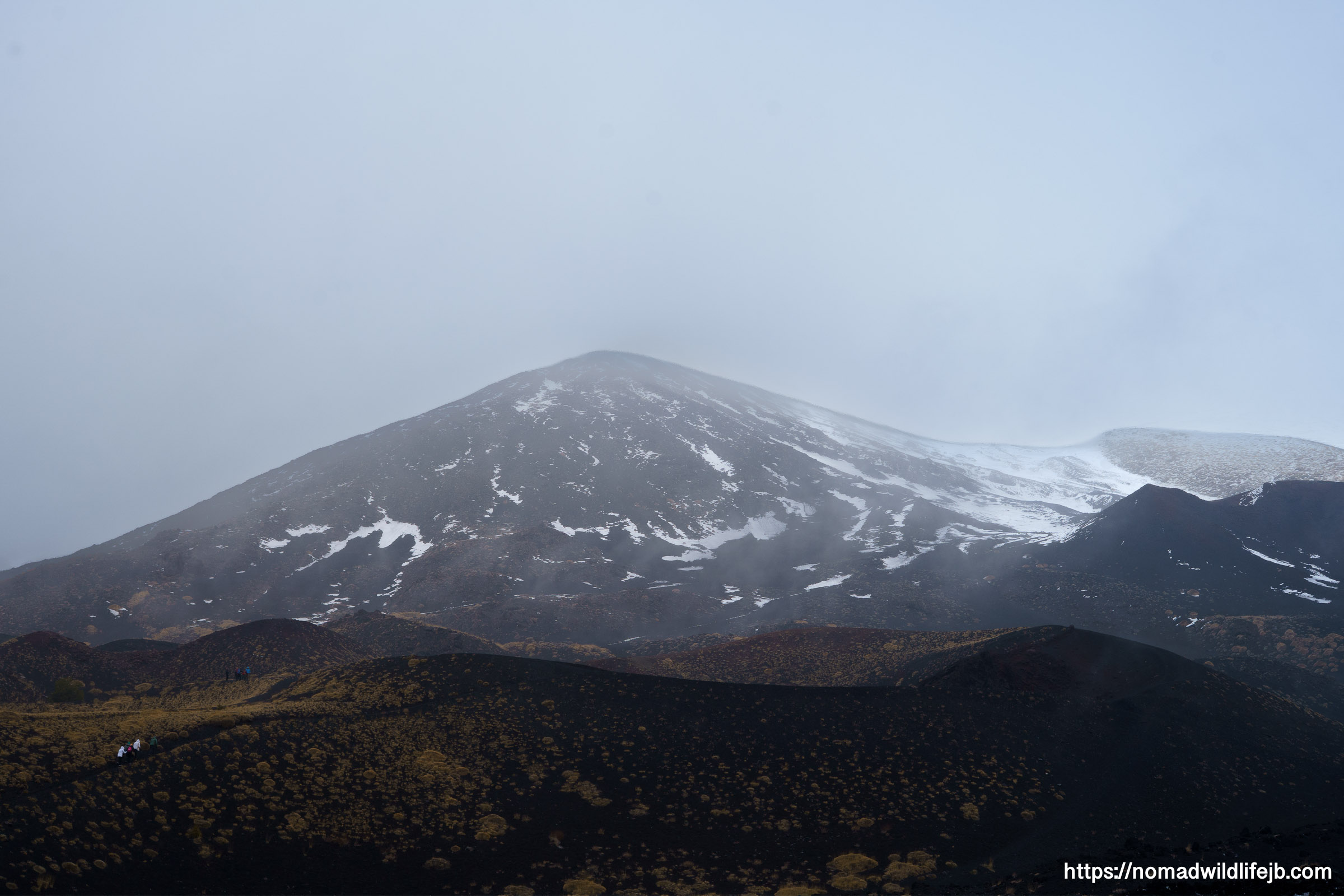
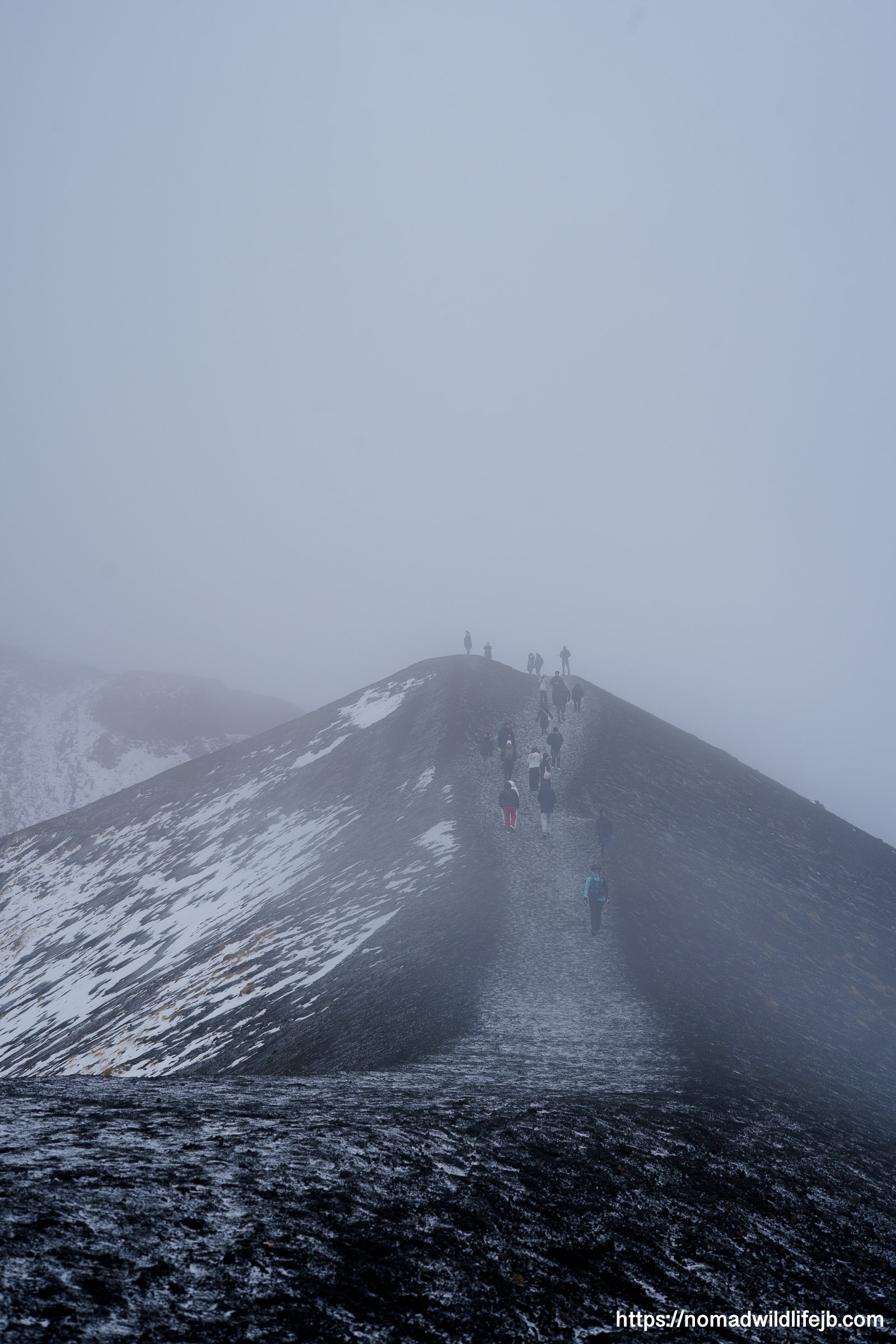
She is so powerful she makes her own weather. Fog rose and fell like curtains being pulled across a stage. Wind shifted without warning. One moment blue sky, the next a rolling wall of cloud swallowing the horizon. The landscape isn’t static here—it breathes.
And yet, instead of fearing her, the locals embrace her. Cities, churches, monuments—entire lives—are built from her stone. Streets shimmer black. Architecture glows dark. It feels like a civilization carved from the volcano rather than built on it.
Etna’s lava doesn’t explode outward like the science-fair volcanoes we grew up with. It creeps. It crawls. It moves like something thinking. That slower movement is what allows people here to adapt, to build, to survive beside something that shouldn’t be survivable. Her stone filters water. It enriches soil. It literally creates life.
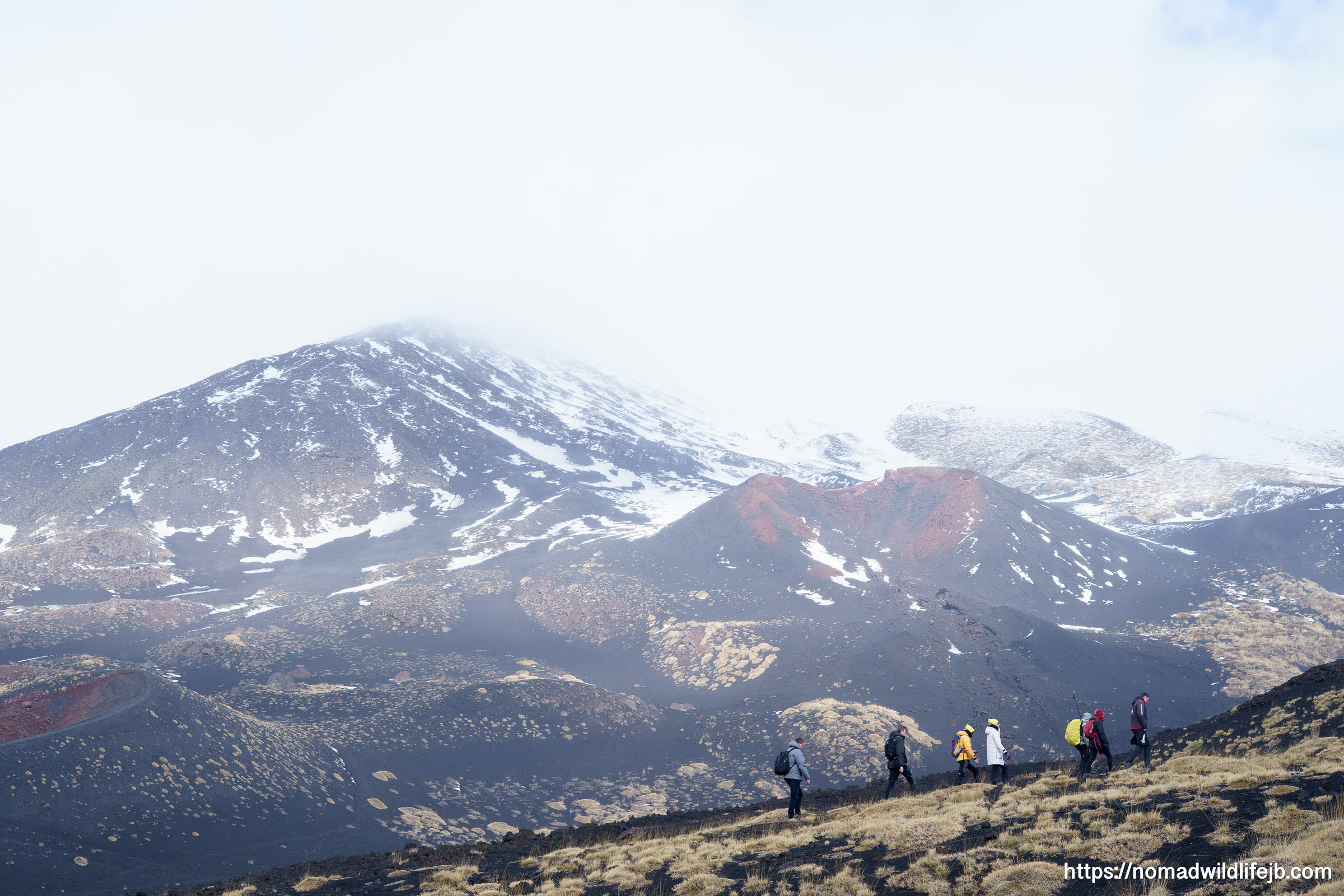
We began at the base of the mountain, where forest slowly gave way to shrubs, then to vast fields of black volcanic sand stretching in every direction. Standing there feels like stepping into a video game map or a sci-fi battlefield—wide open terrain, stark contrast, distant ridgelines that pull your eyes forward. The kind of place where nature doesn’t whisper; it declares.
The ground is black. The snow is white. The rocks flash rust-red. And somehow, stubborn shrubs cling to life like little acts of defiance. Silence isn’t just quiet here—it’s heavy. There are no birds, no insects, no human noise. Just wind, boots, and breath.
It’s one of the only places on Earth where you could ski on a volcano in the morning and surf at sunset. Power like that is rare. Power like that is humbling.
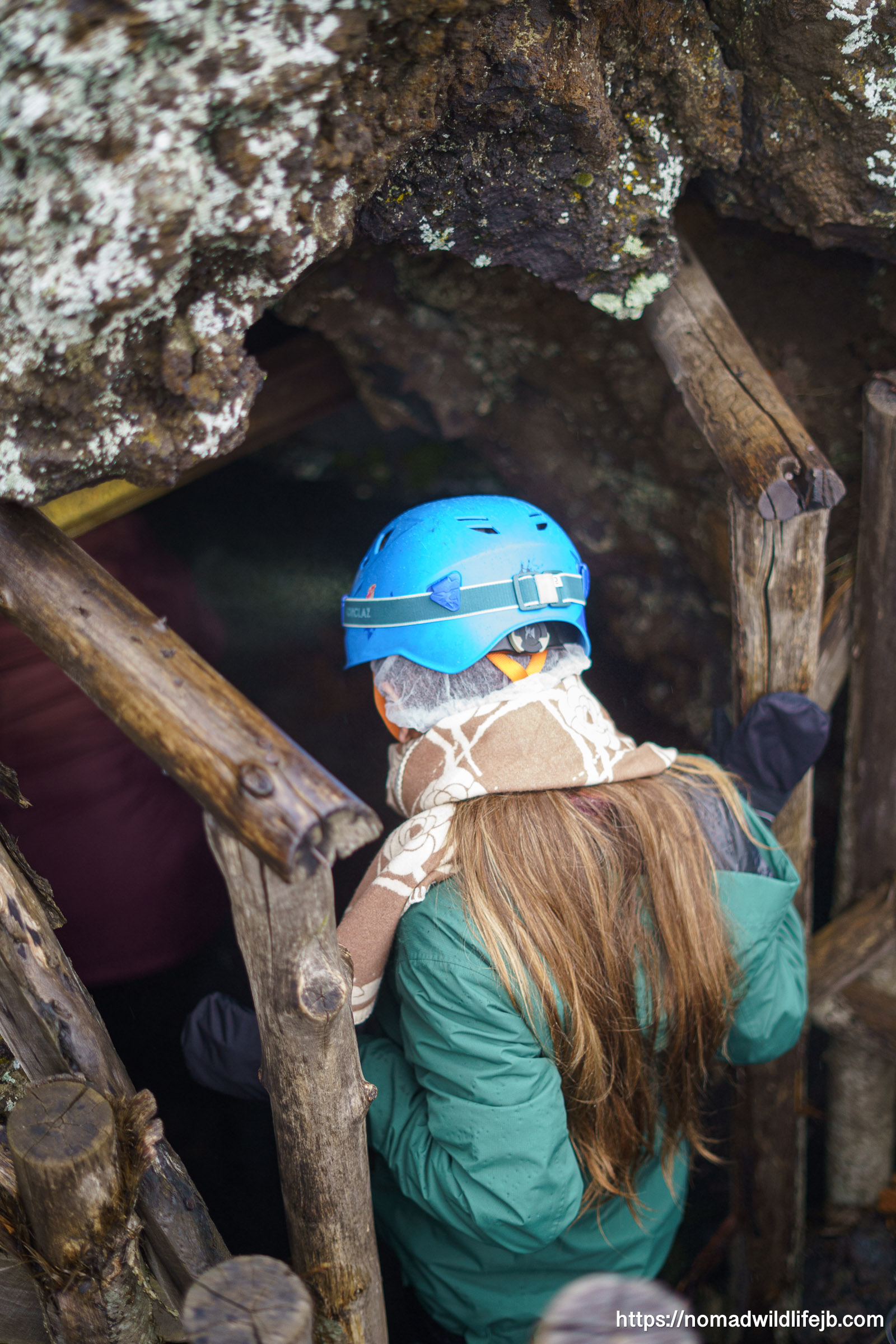
And then we went inside her.
At the entrance of the lava tube, that familiar nervousness crept back in. There is something primal about a dark hole in the earth, especially when you know what created it. But before I could think too much, Jess just… went. No hesitation. No fear. Just excitement and curiosity. Watching her disappear into the earth with nothing but wonder in her body was the nudge I needed. So I followed.
Inside? Enormity. Silence. Awe.
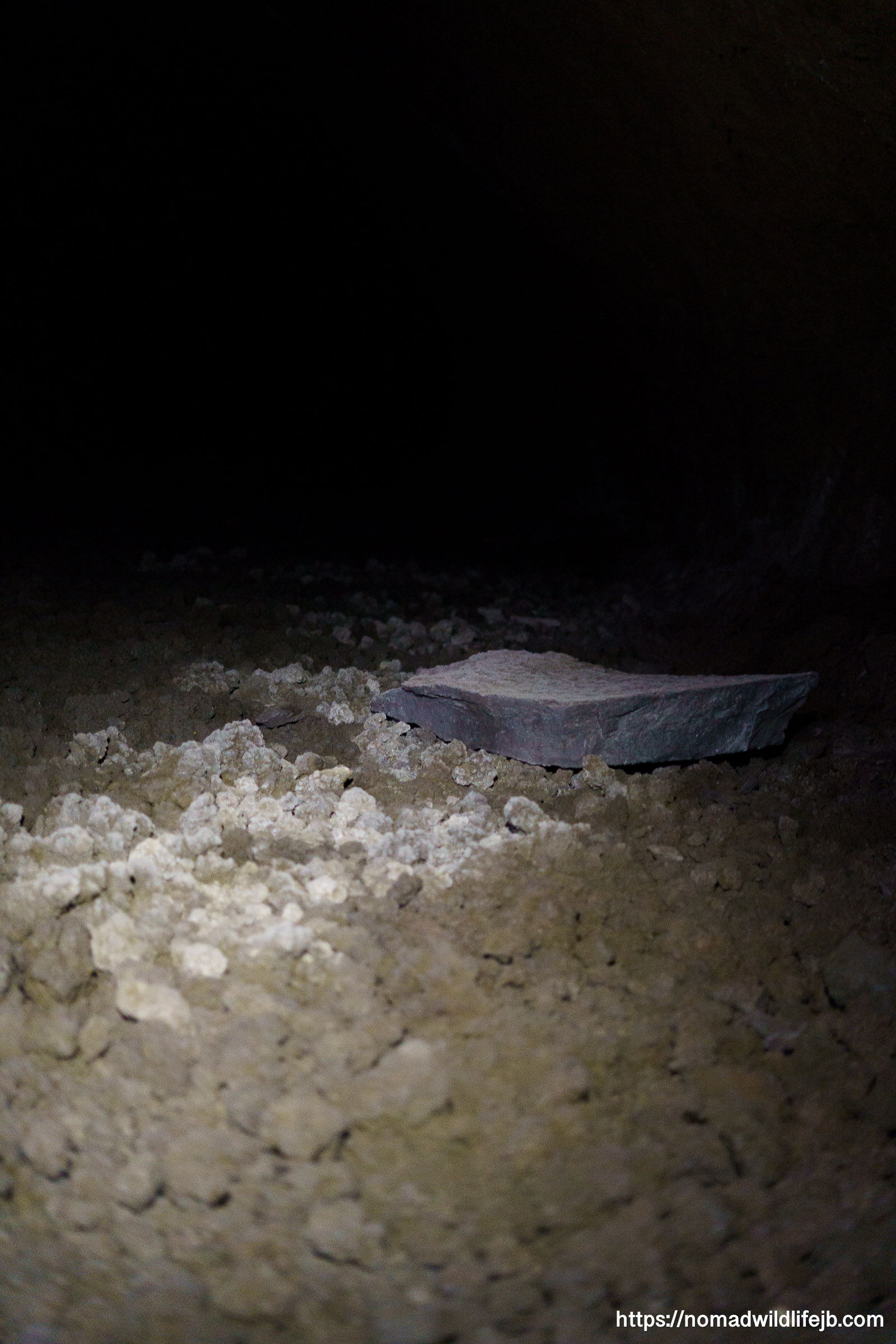
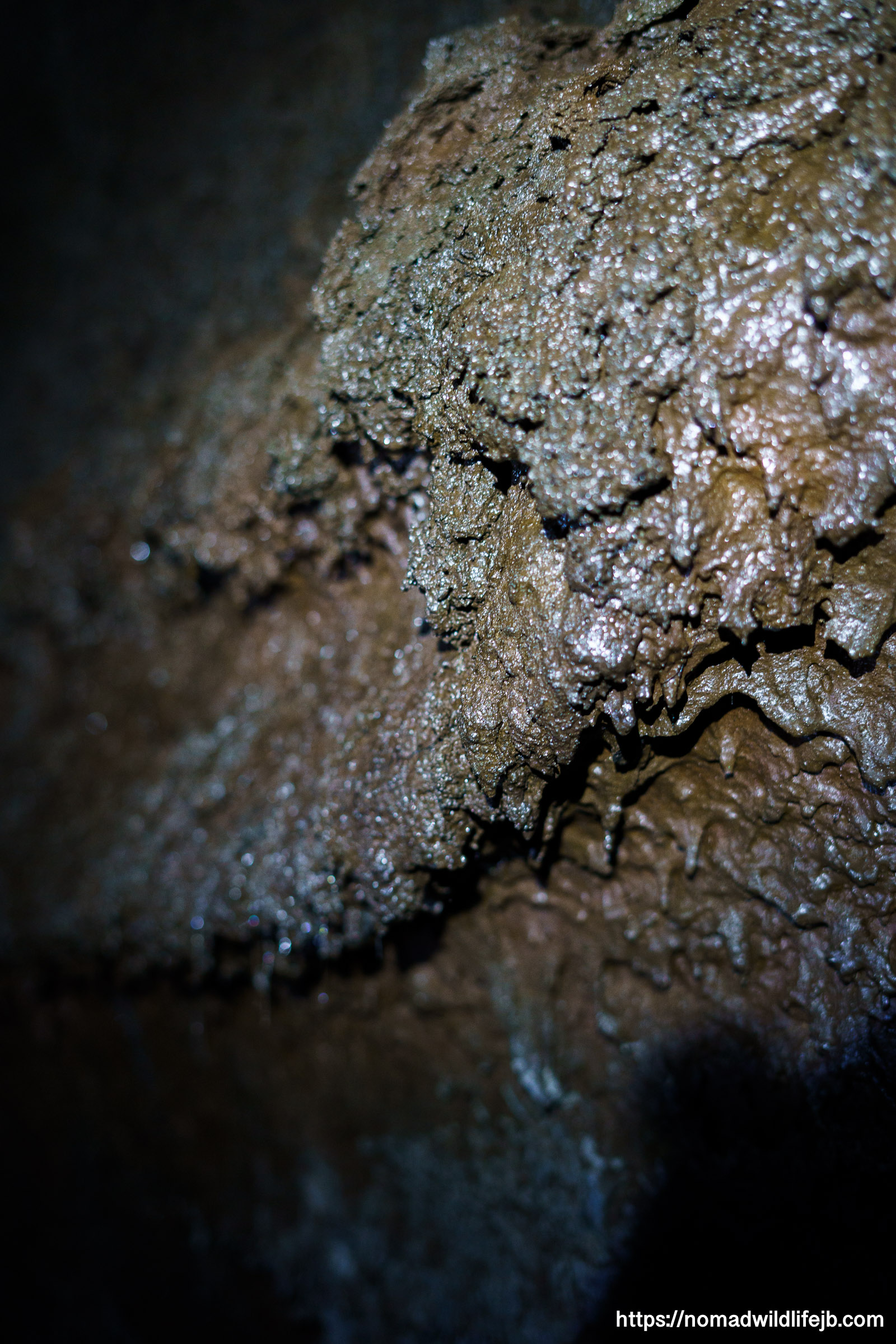
Our guide called it the “Whale’s Mouth,” and he was right. The cave curved and swallowed around us like something alive. Dog-tooth formations hung overhead where lava once cooled mid-movement. Smooth channels along the walls showed the direction of flow like fingerprints left behind. The deeper we went, the smoother the floor became—chaos shaping into structure.
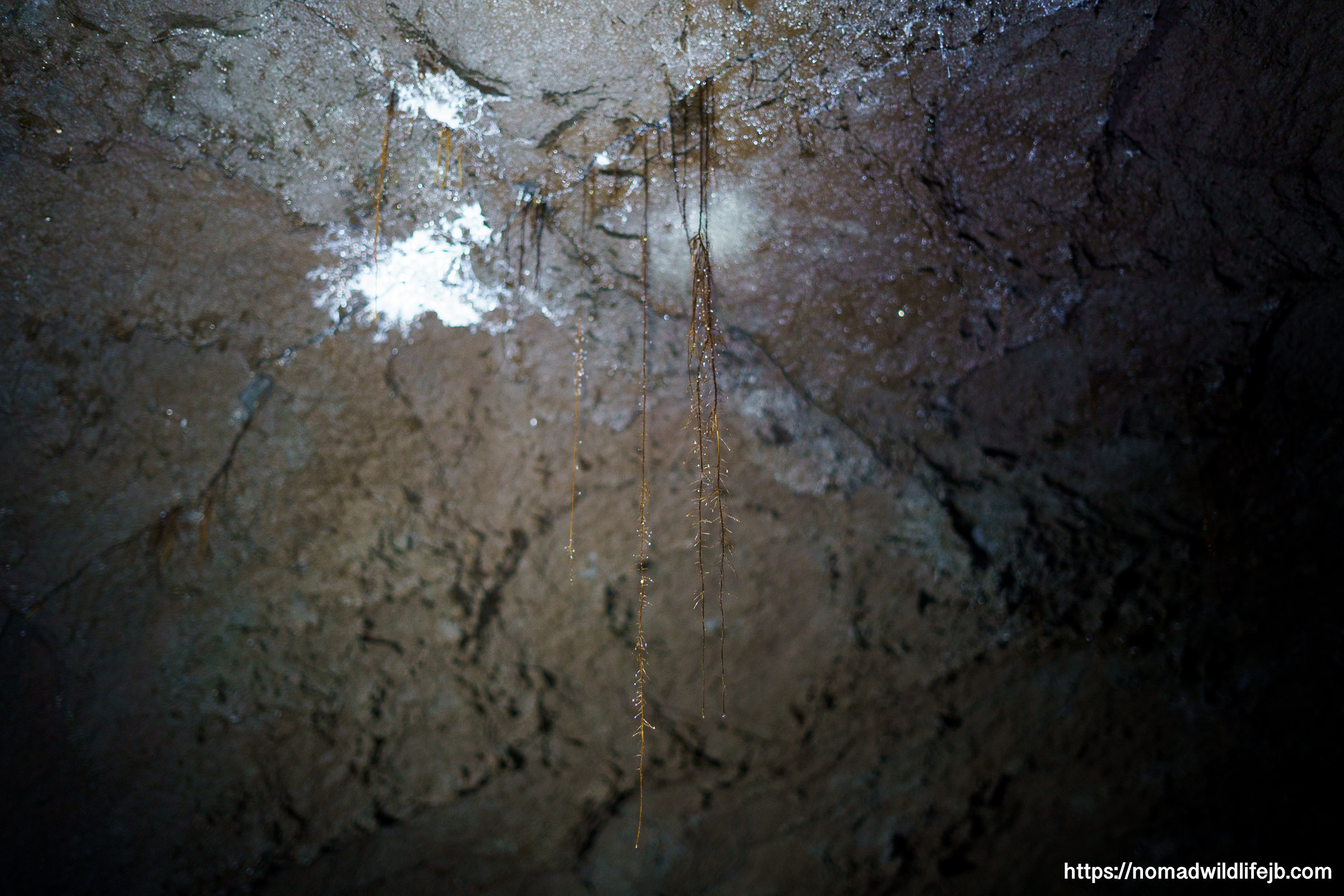
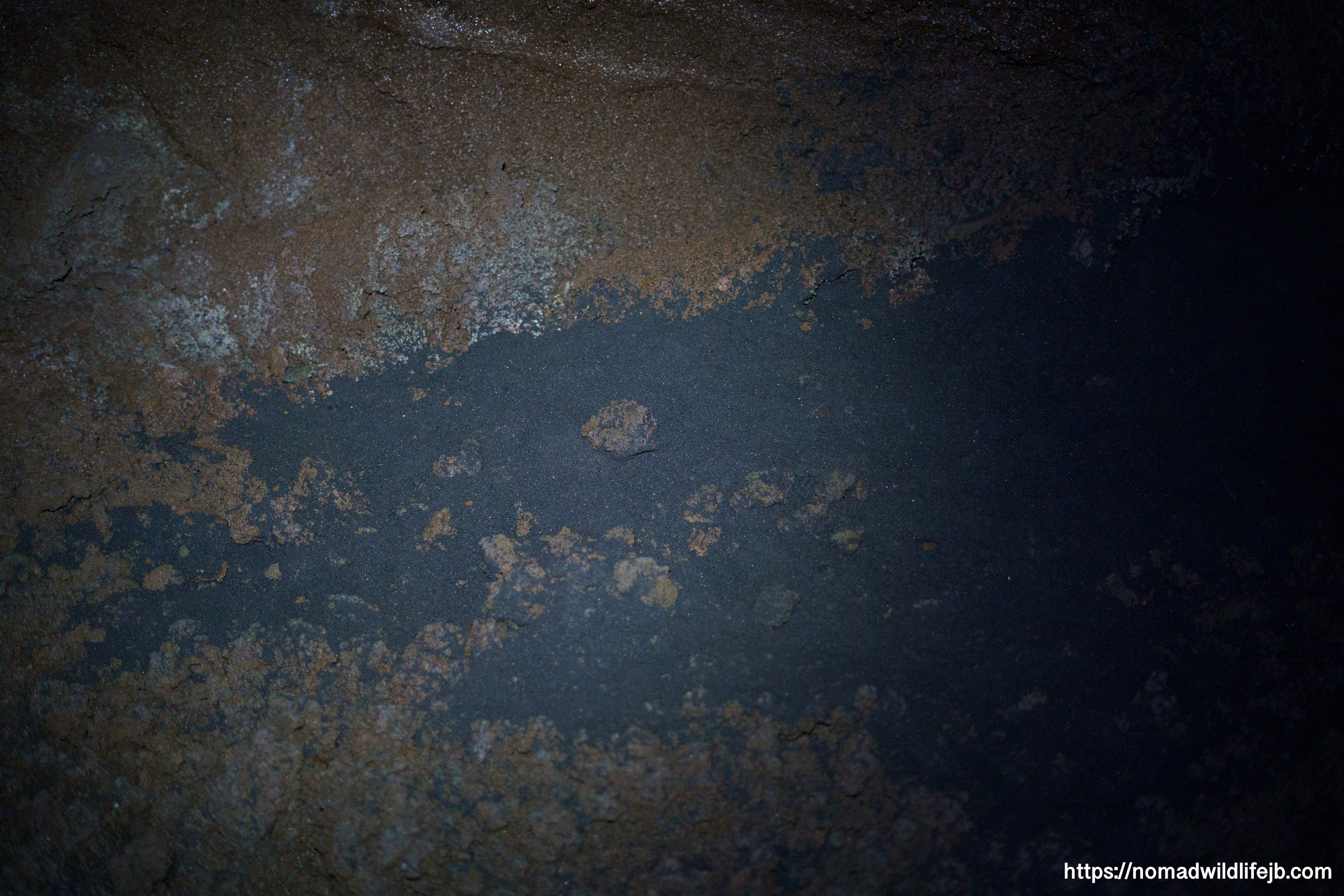
And here’s the wild part: it was warmer inside than outside. Safer-feeling, somehow. Like stepping into shelter rather than danger. The world above us was snow, wind, shifting visibility. Down here? Stillness. Stability.
Was it scary? Yeah, a little. But would I do it again, knowing what I know now?
Over. And over. And over.
Our tour lasted five hours, but I could have stayed five weeks. Etna didn’t just feel like a volcano—she felt like a teacher. A reminder that fear and respect can coexist. That destruction and creation are often the same thing. That life persists not in spite of harsh places… but because of them.
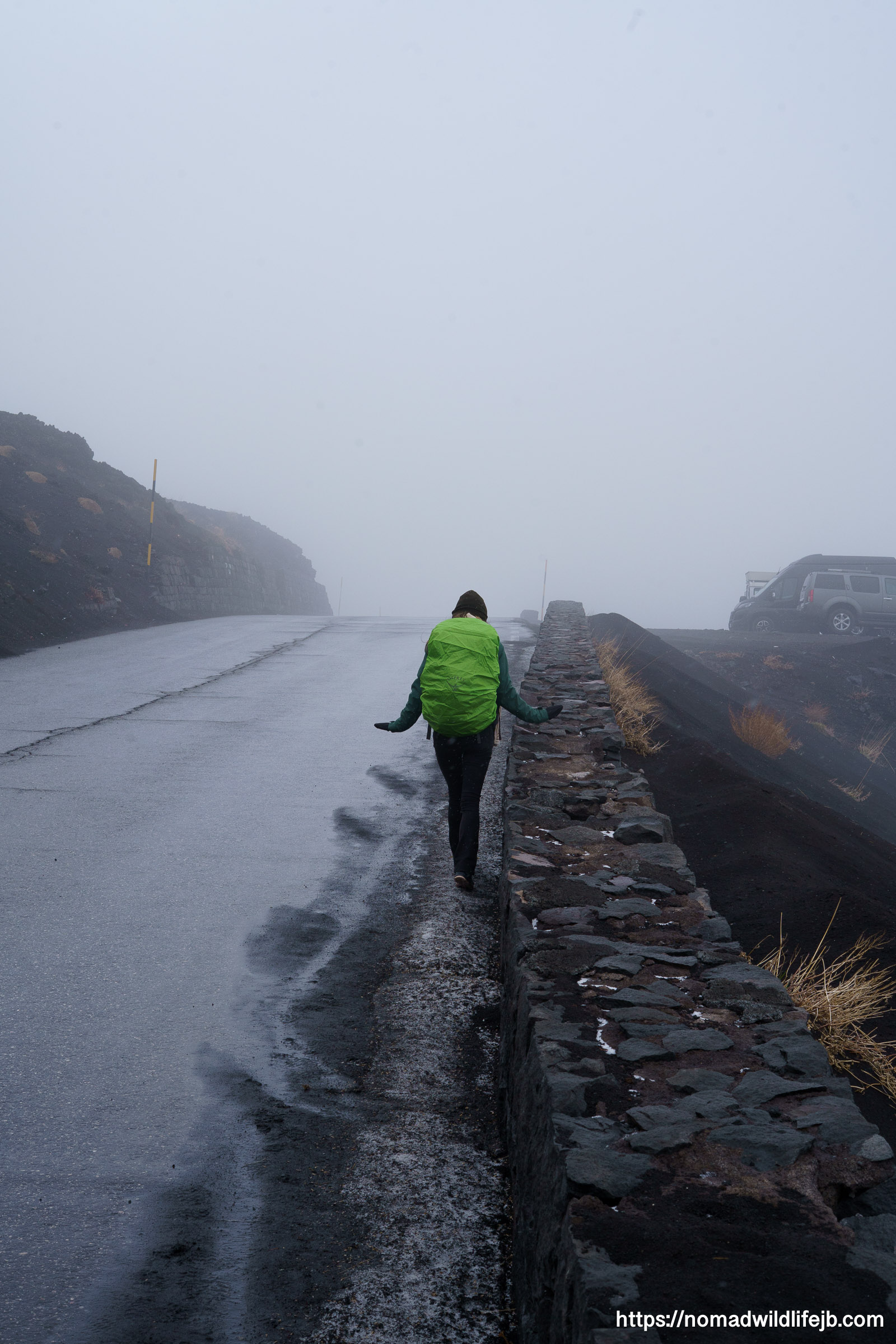
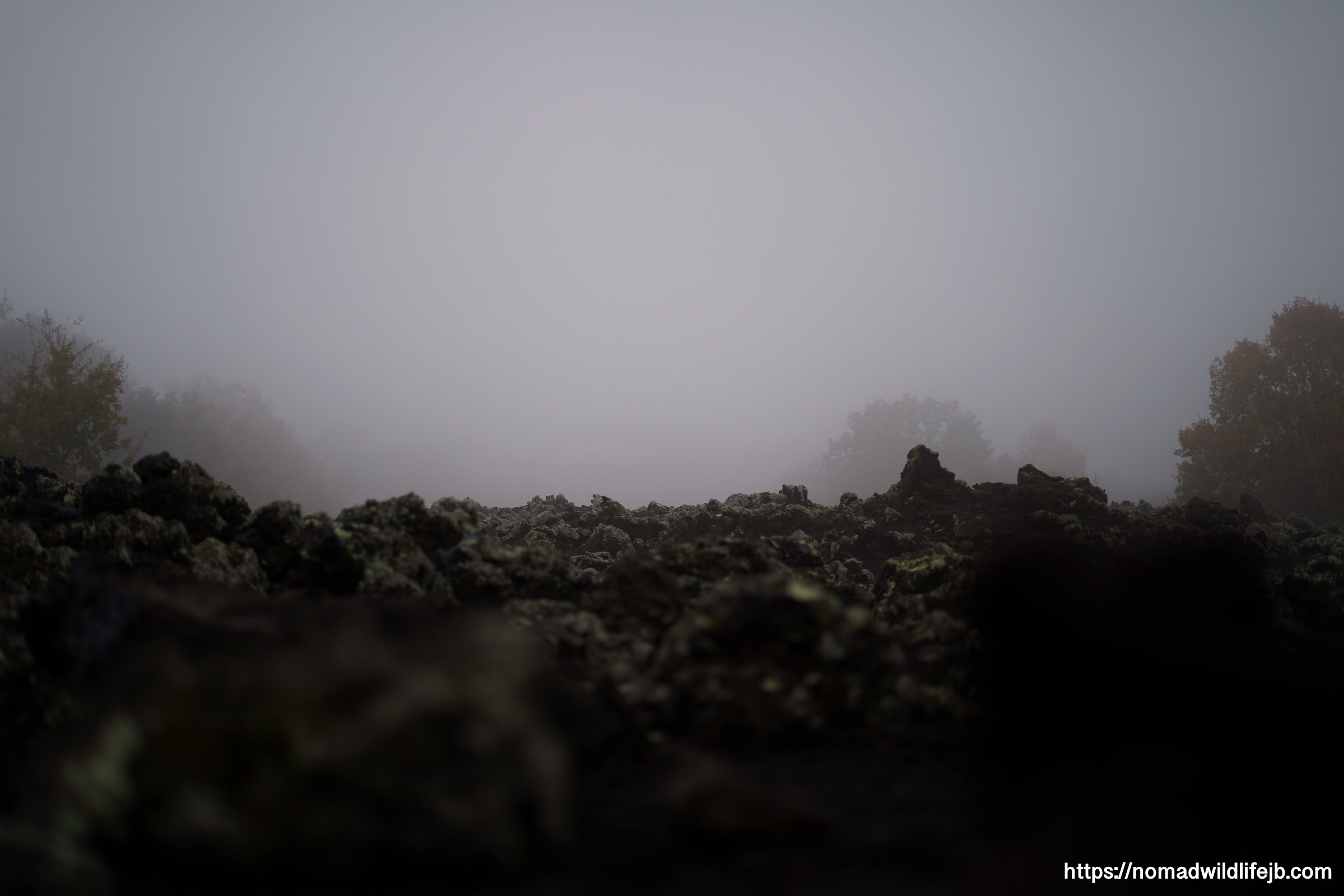
This was an experience I’ll never forget. It felt as big as Mamma Etna herself.
And I wouldn’t trade it for the world.