
More Than a Border Crossing
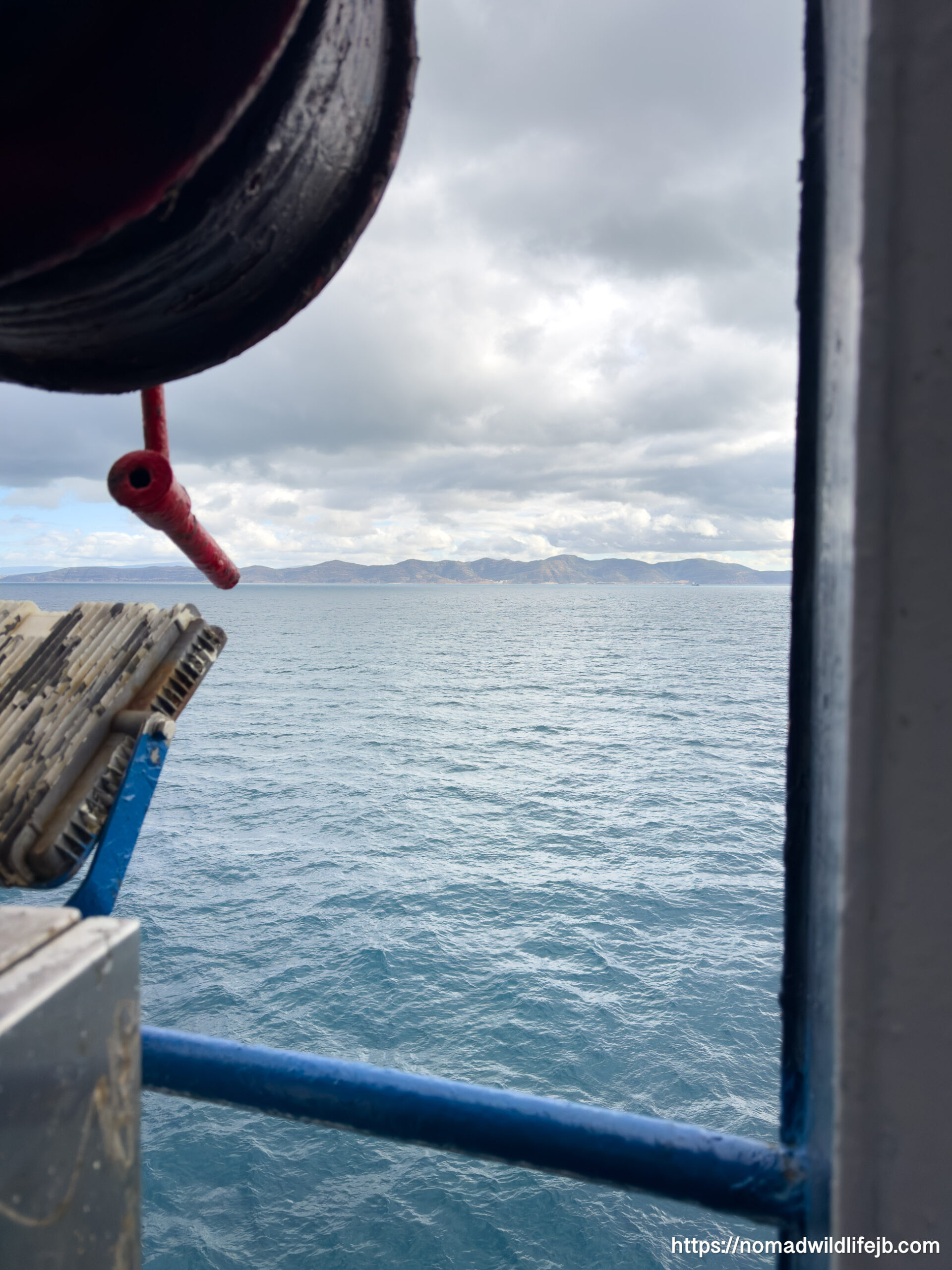
As I sit in our Tunisian flat, I keep circling the same realization: sometimes crossing a border is more than paperwork or geography. Sometimes it’s a transition that carries weight long before and long after the stamp. The ship that carried us from Palermo, Sicily to Tunis, Tunisia was not simply a means of travel. It was a passage—one shaped by repetition, necessity, and generations of movement across the same stretch of water.
If you’ve ever been on a ferry or a cruise ship, forget the comparison. This vessel was not interested in charm or illusion. It was vast and utilitarian, built as a hybrid passenger–cargo ship, designed to move volume rather than feelings. A Mediterranean roll-on, roll-off ferry engineered to carry thousands of people and hundreds of vehicles at once, crossing day and night because the demand never pauses.
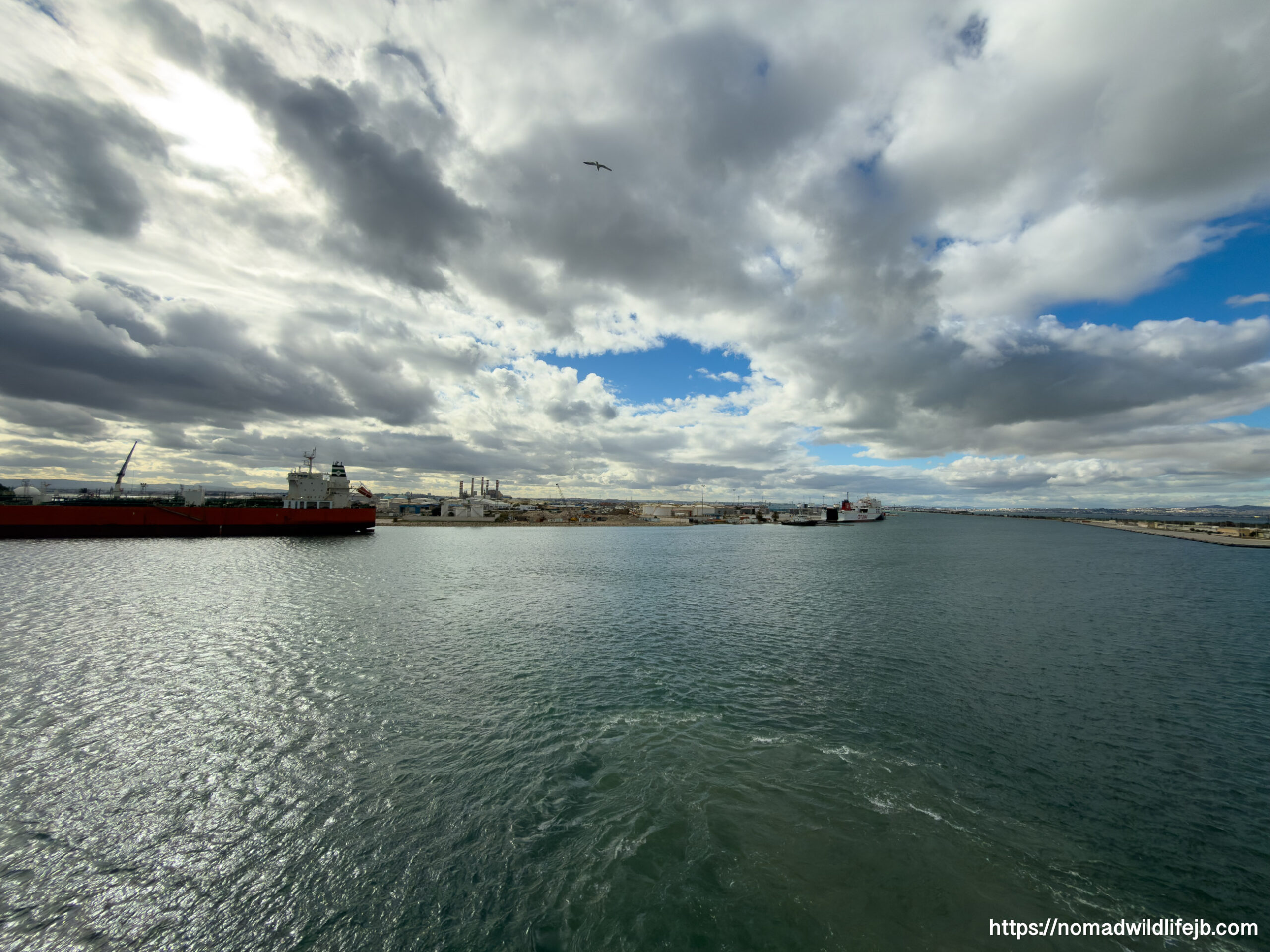
These ships exist because they must. Compared to shipping containers, air travel, or faster and more comfortable alternatives, they remain one of the most accessible ways to cross a continent. They are not optimized for ease. They are optimized for continuity.
Jess and I booked a small cabin—four beds, a private bathroom, worn surfaces softened by time. It wasn’t luxurious, but after a long day of travel—ten miles on foot with clothing, camera gear, and computers on our backs—it felt generous. Hot water. Pillows. A door that closed. We didn’t need it, but we chose it because this crossing was unfamiliar, and because we could.
Later that evening, we left the quiet of the cabin to find something warm to eat. When we stepped onto the main passenger deck, the atmosphere shifted immediately.
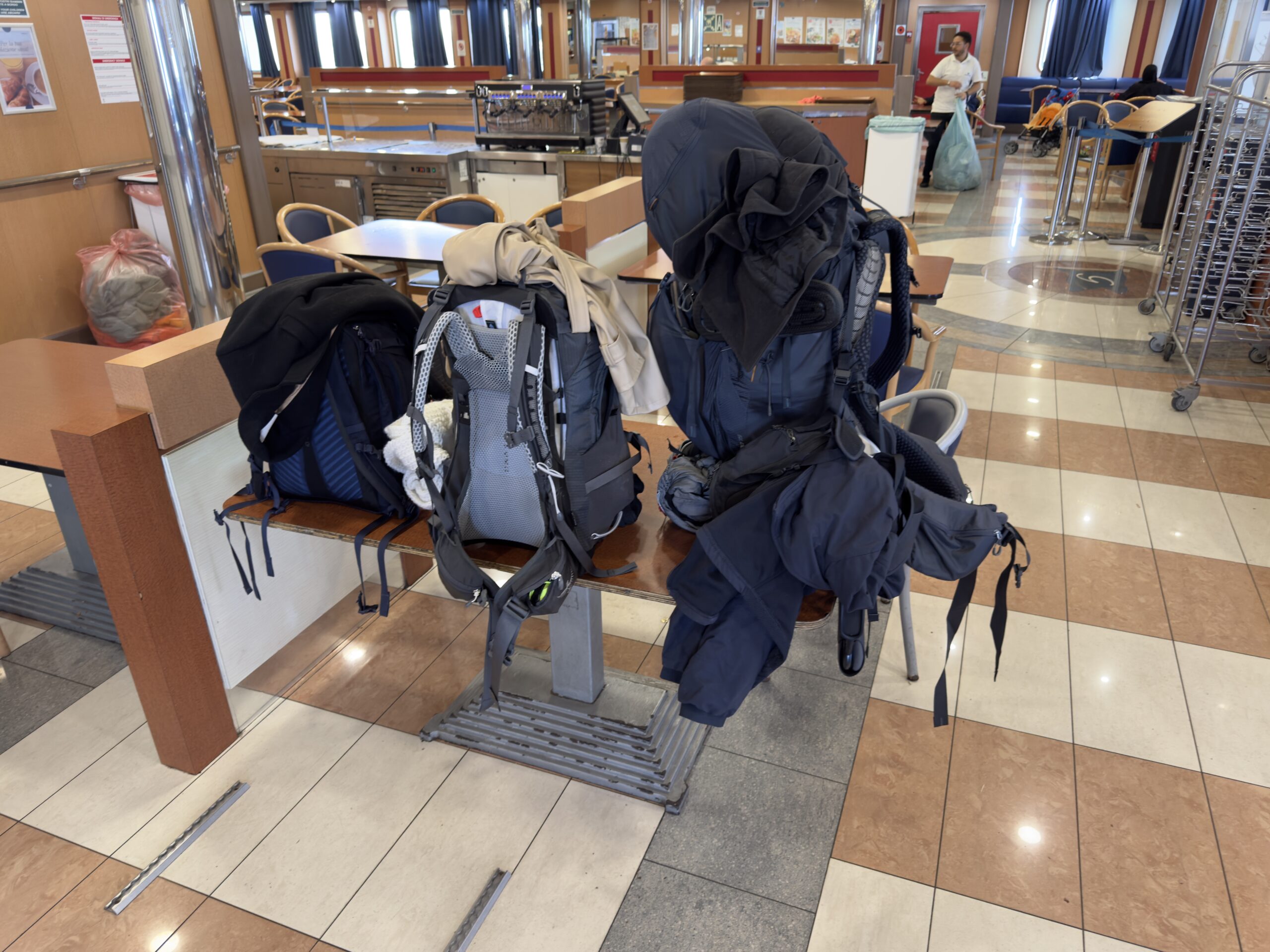
Common spaces had been transformed. Air mattresses spread across the floor. Blankets folded into careful shapes. Bags gathered close, like punctuation at the end of a sentence. Families settled into tight constellations. Children slept wherever sleep arrived. Some passengers rested along corridor walls near the bunk rooms, likely for a little quiet, or simply because space had already been claimed elsewhere.
For a brief moment, my mind reached for the wrong comparison—the only one it had. Homelessness. Emergency shelters. Temporary camps.
That frame didn’t hold.
What I was seeing wasn’t displacement. It was intention. People who knew this crossing well enough to prepare for it. People who understood the tradeoffs and chose them deliberately. This wasn’t a lack of shelter—it was a different understanding of comfort.
For many onboard, this wasn’t travel at all. It was resupply. Return. A familiar migration that takes physical form in refrigerators, washing machines, and dryers strapped to vehicles packed from floor to ceiling with household goods. Machines that store food safely. Machines that wash and dry clothing regardless of weather. Machines that return time to a household—time to work, to earn, to stabilize.
Time, more than anything else, was what moved across that deck.
We felt an instinctive pull to share our cabin, until it became clear that offering comfort where none was requested would have missed the point entirely. This crossing wasn’t about charity. It was about efficiency. About endurance. About getting through.
We had assumed that passengers with vehicles would sleep in their cars, as they do on shorter crossings within Italy. Instead, once the vehicles were secured, the garage decks closed. People gathered what they would need—documents, medication, chargers, food, blankets—and moved upstairs. Life compressed into shared space.
Here, comfort is assembled. Quiet is negotiated. Privacy is minimal and understood. Elders are given room without discussion. Families cluster instinctively. Solo travelers drift toward the edges. Food appears and is shared. Children move freely, watched by more eyes than their parents alone. Order is social rather than enforced, maintained by the simple understanding that everyone depends on the crossing working as it should.
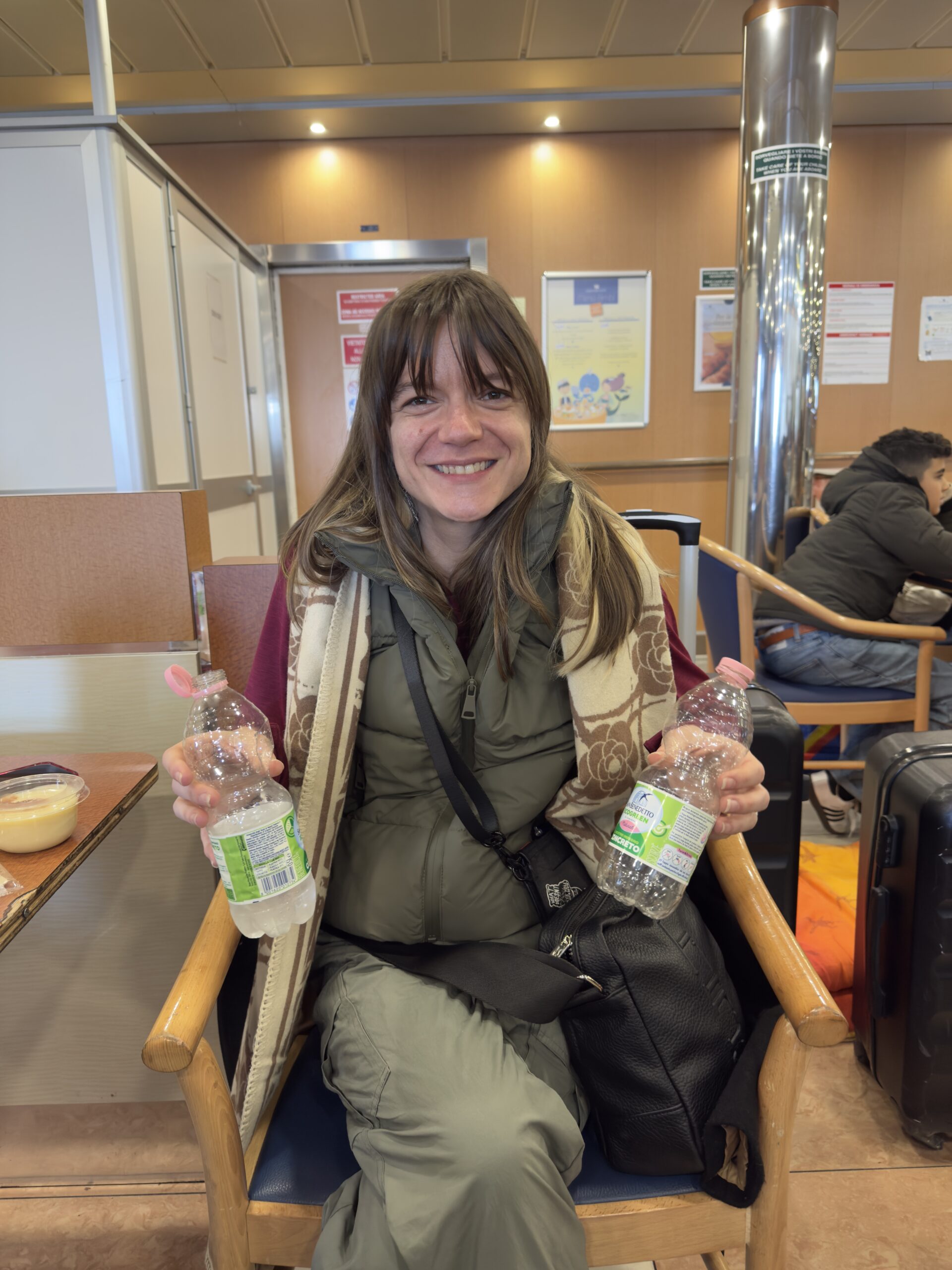
There is little formal security because it is rarely required. There is nowhere to disappear to in the middle of the sea. Social rules carry weight because breaking them carries consequence.
We weren’t above anyone because we had a cabin. We simply occupied a different layer of the same system. Some of the veterans of this crossing—those who had done it many times before—looked far more at ease than we were. They knew the rhythms. They knew how to sleep. They knew how to arrive intact.
We were observers. Temporary participants in a movement that meant far more than slow travel to most of the people onboard. No one was searching for themselves. No one was passing through for novelty. They were returning home, often carrying the means to change daily life in tangible ways. Not leisure. Not luxury. Stability.
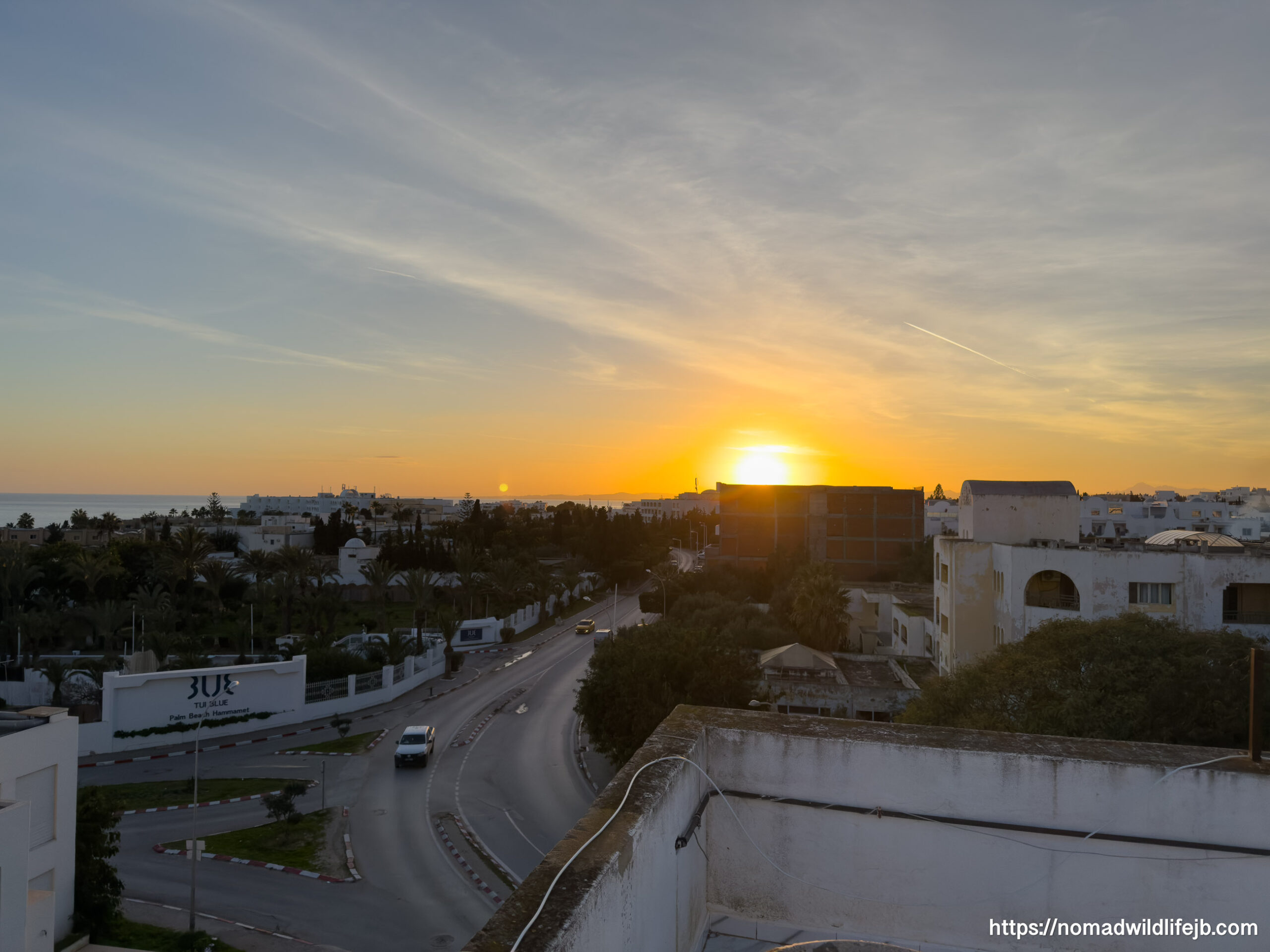
This was more than a ship ride. More than a border crossing. These ferries are lifelines—temporary communities governed by routine, restraint, and quiet cooperation. A system of care in motion, and a beauty I didn’t know existed until I found myself inside it.