
Welcome to Tirana
It’s been about two weeks since Jess and I landed in Albania. Compared to Tunisia — and even Italy — entering the country was almost disorientingly easy. After a roughly twenty-hour travel day from Tunis, to Istanbul, and finally to Tirana, we touched down just before sunrise.
The first thing I noticed from the airplane window was the light creeping over the snow-capped mountains surrounding the city. It was breathtaking — the kind of view that instantly dissolves travel fatigue. That feeling of arriving somewhere entirely new, a new country and its capital city, is something I will never grow tired of.
When we disembarked, a customs agent briefly checked our passports and waved us through with almost no ceremony. Inside the terminal, the customs line was barely a line at all — only two people ahead of us. The agents glanced at our passports, scanned them, and handed them back without even stamping them.
Albania often records entries electronically and does not always provide physical stamps. As someone who genuinely treasures passport stamps, my shoulders slumped slightly as we walked toward baggage claim. Still, I’ve already decided that on some future exit and re-entry, I’ll politely request one for the collection.
Albania is an interesting Balkan country. It is one of the few places where United States citizens can remain visa-free for up to a year. Because the country sits outside the EU, time spent here does not count against our Schengen allowance. Even more surprising is the affordability — comparable in many ways to Tunisia and parts of North Africa.
A loaf of bread costs less than a dollar. A dinner for two averages around sixteen U.S. dollars. Rent is refreshingly reasonable. Many of the best daily activities cost little or nothing at all — long walks along the river, lakeside wandering, or simply getting lost in the city’s neighborhoods.
Spoiler alert: those are already some of our favorite rituals.
Before arriving, I had read repeatedly that Tirana — and Albania as a whole — was safe. Safe, however, feels like an incomplete description. Tirana is not just safe. It feels comfortable. Cozy. Genuinely kind.
In most cities I’ve visited, there’s always a low-level alertness humming in the background — a mild skepticism of surroundings, a quiet calculation of risk. Maybe that comes from my military training, maybe it’s simply traveler instinct. But Tirana feels different.
The people here often speak of a deeply rooted cultural concept: Besa.
Besa does not translate cleanly into English. It is part honor, part moral obligation, part integrity. It embodies the idea that your word, your character, and your duty to others are sacred. If you give your besa, you are bound — no excuses, no loopholes, no convenience.
There is something profoundly beautiful about that.
I can’t help but feel that this spirit — this quiet social contract — is part of why the city feels the way it does.
One of our early cab drivers enthusiastically described Tirana’s safety. At one point he smiled and said, “No one would dare do a thing.” He didn’t mean policing or surveillance. He meant culture. Expectation. Besa.
Coming from the United States — where the prevailing mood can sometimes feel closer to “every person for themselves” — the contrast is striking. Not a criticism of home, but an observation. The social energy here simply feels softer, more considerate.
That impression solidified during our first late night in the city center.
Through TikTok of all places, we met a fellow American who invited us for coffee, showed us around the city, and later welcomed us to a local karaoke bar. What followed was an unexpectedly joyful night — laughter, terrible singing, and the easy warmth of new friendships.
By the time we left, it was nearly 1:00 a.m.
We wandered through the quiet streets and eventually stopped for espresso — because in Tirana, coffee obeys no clock.
While walking through Skanderbeg Square, we passed two young women sitting on the rain-soaked pavement, visibly upset and crying. They had clearly overindulged and were navigating some emotional storm of their own.
Yet what struck me was not concern for their safety.
It was the absence of danger.
No tension. No predatory energy. No sense that anyone around them posed a threat. Only a city continuing calmly around them. In many places, such a scene might trigger alarm. Here, it felt… ordinary. Human.
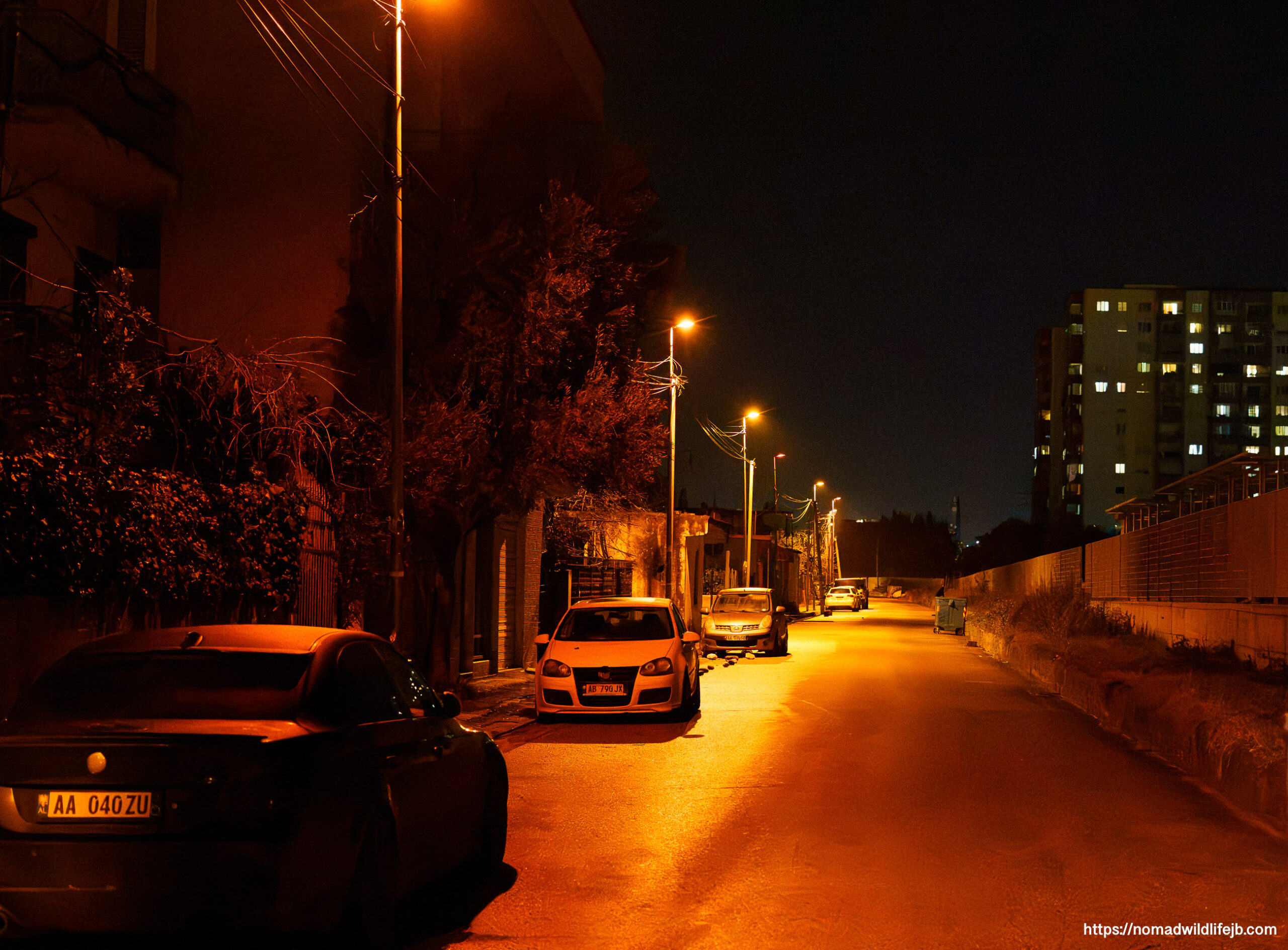
Tirana consistently ranks among Europe’s lower-crime cities. Pickpocketing, opportunistic theft, and street-level harassment feel remarkably rare. Jess and I still pay attention — habits die hard — but we walk without unease.
There is a quiet ease to daily life here that is difficult to overstate.
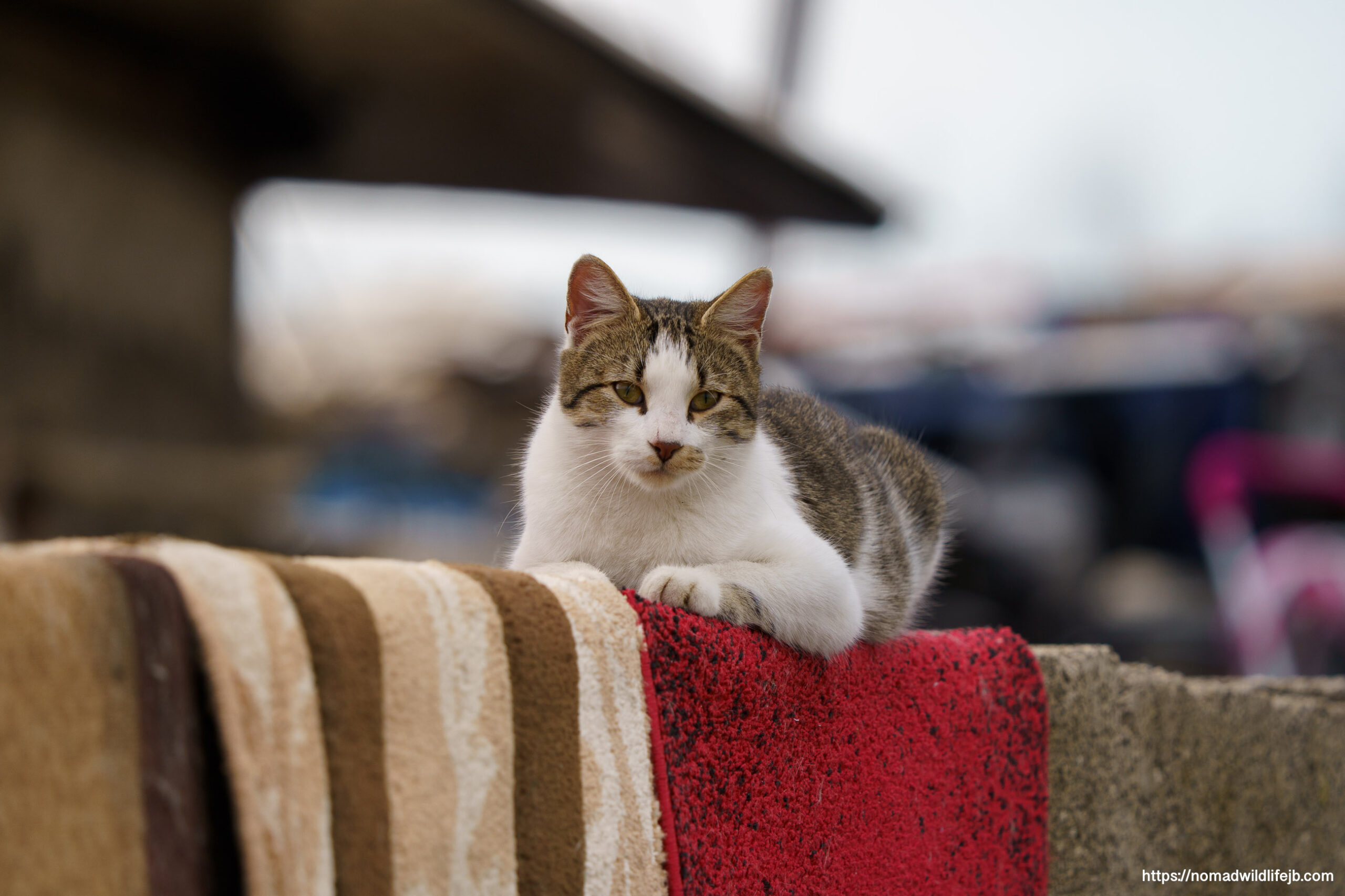
Even the city’s animals reflect this gentler rhythm.
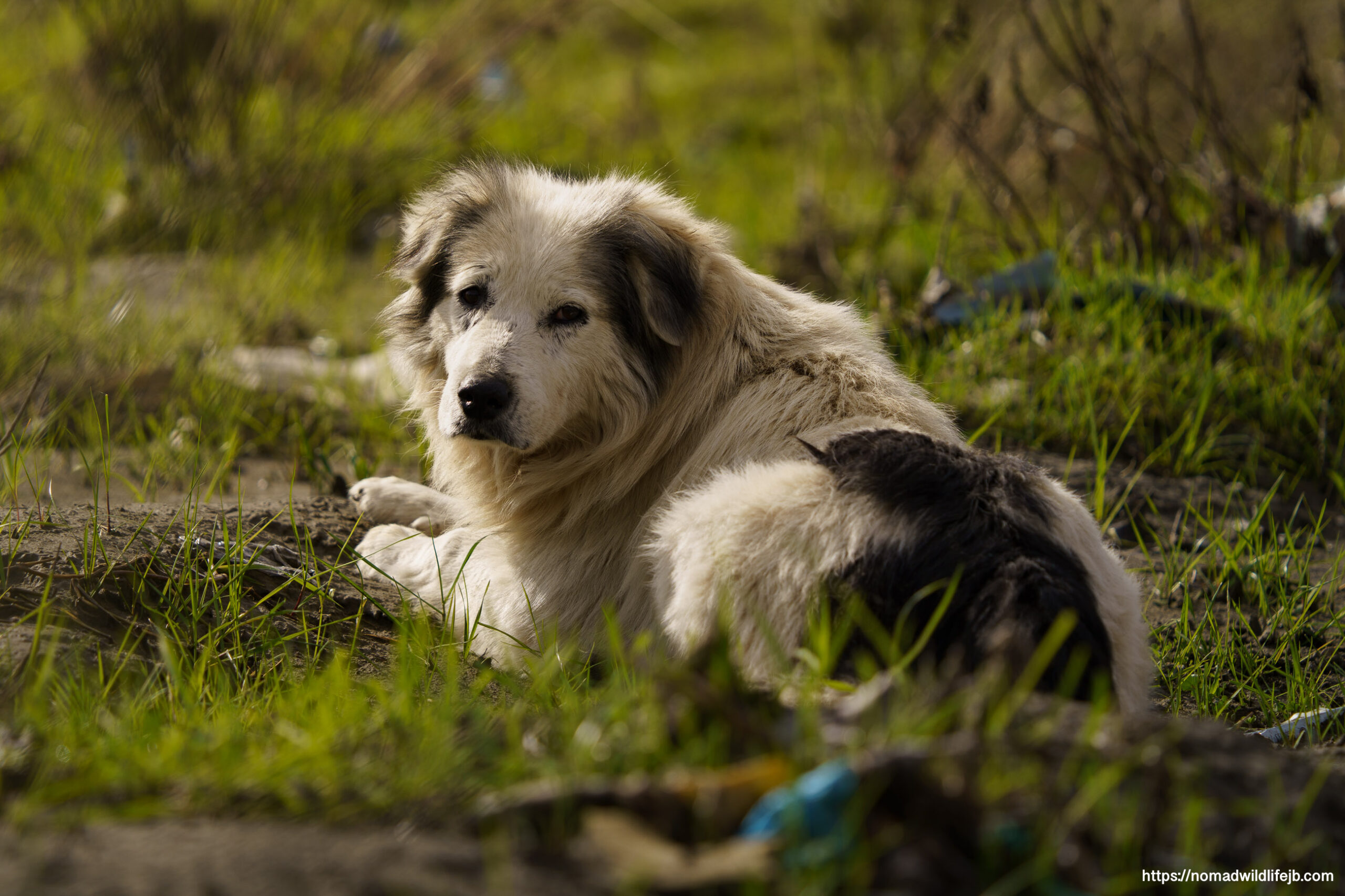
The dogs, especially, are characters.
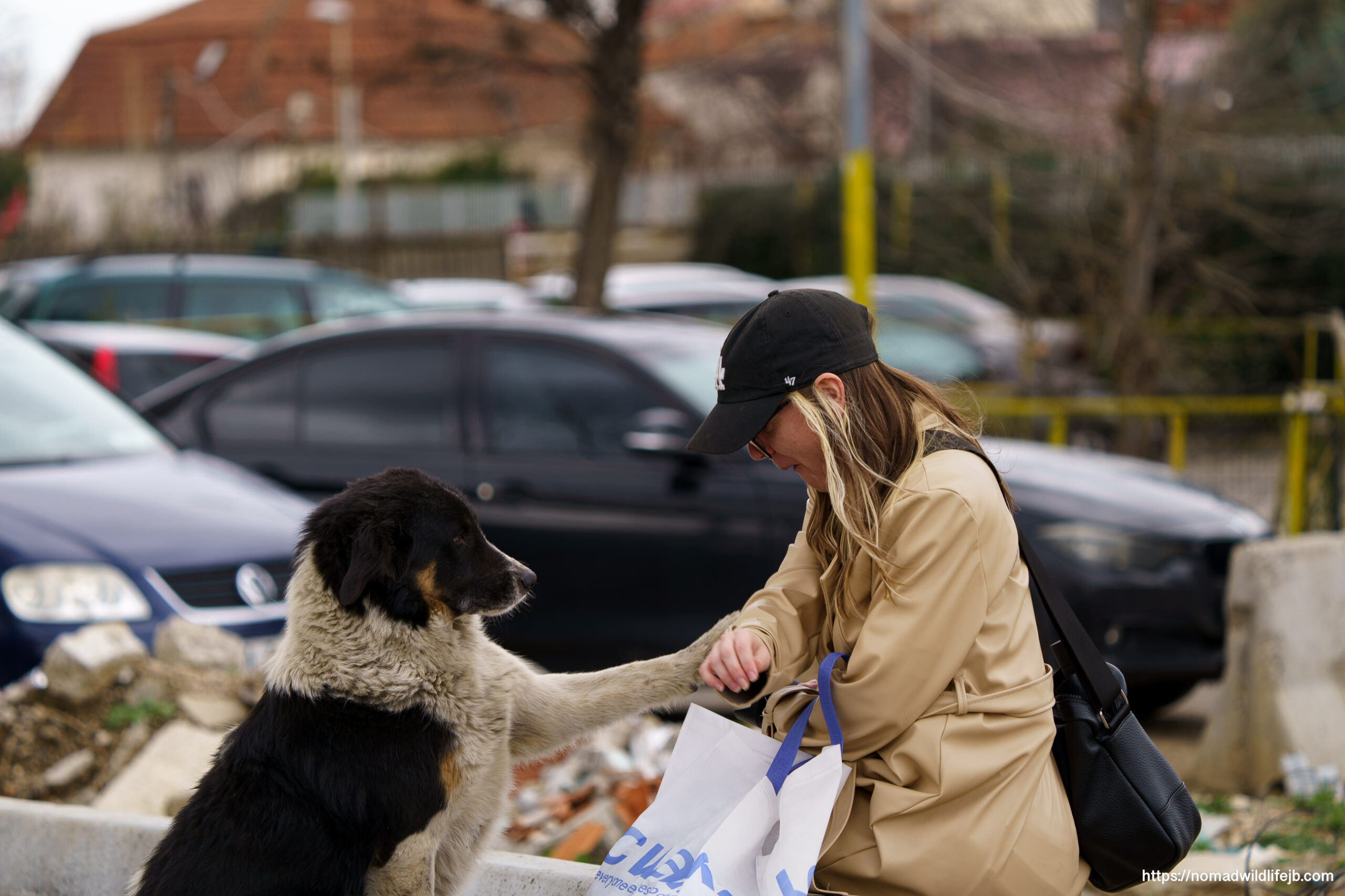
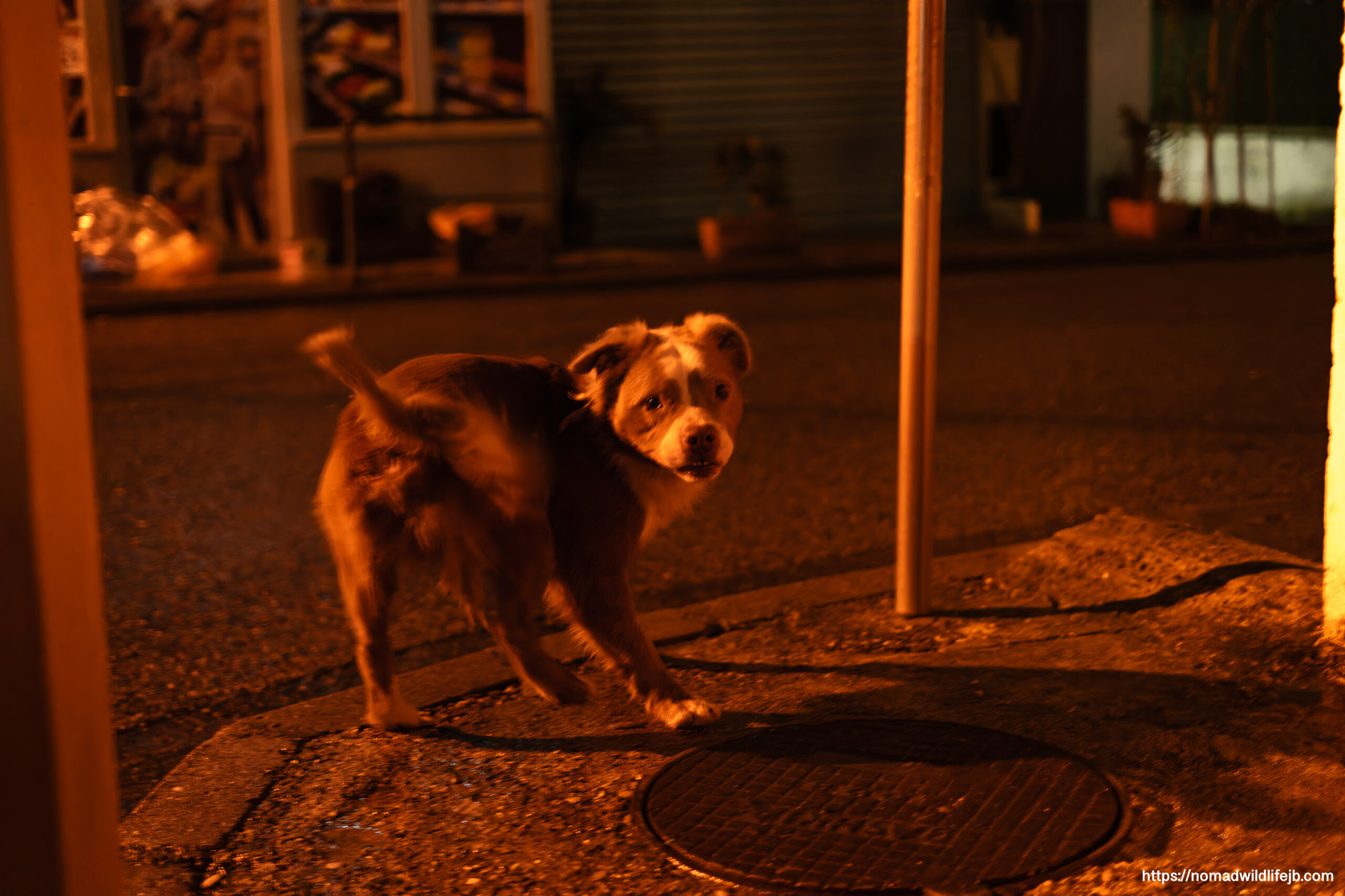
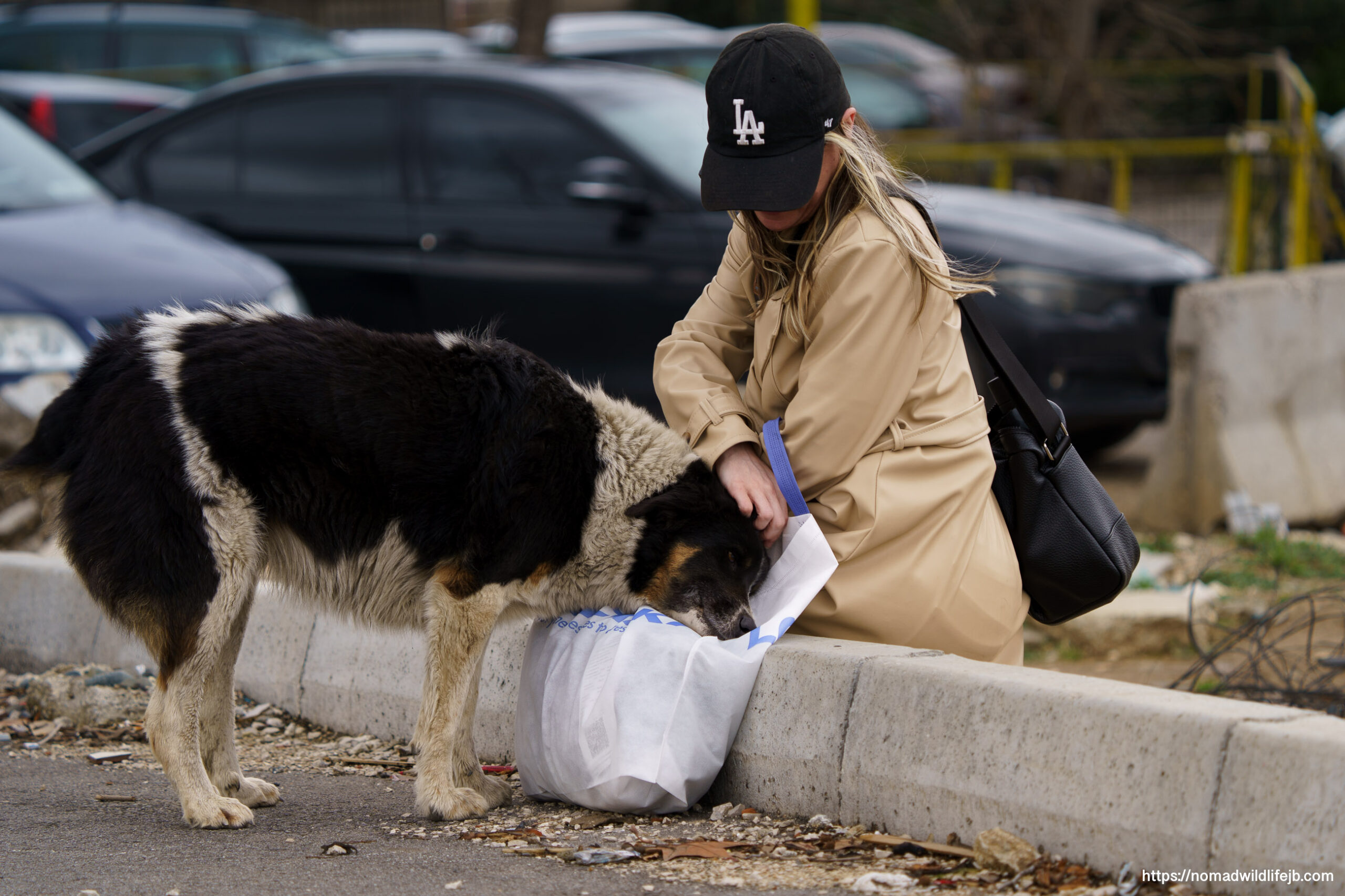
They trot alongside pedestrians, offer paws as greetings, lean into strangers for affection, and move through the city with a kind of cheerful self-assurance. For animal lovers, Tirana can feel like stepping into a Disney film — minus the musical numbers.
If parts of Africa held us a bit less gently than we had hoped, Albania feels like a soft landing into a down-feather bed.
But the beauty of this place extends beyond mountains or architecture. Tirana offers something rarer — a pervasive sense of calm, safety, and human warmth.
A feeling difficult to quantify, yet instantly recognizable.
The feeling of Besa.
i can totally visualize the slumped shoulders lol 😂. i’m so intrigued by the feeling of besa.
Hi, i think that i saw you visited my website thus i came to “return the favor”.I’m trying to find
things to improve my web site!I suppose its ok to use a few of your ideas!!