A month of illness, weather, and hypervigilance—balanced by sunsets, generosity, and one unforgettable storm.
The storm and the sunsets were the gifts. Everything else felt like a lesson.
Hammamet, Tunisia left me with mixed emotions. I don’t think it’s an inherently bad place—just very different from what I imagined, and very different from what our month needed. With budget stress, stubborn weather, and a steady undercurrent of safety concerns, it wasn’t the soft North African coastal landing we pictured. It became a month of illness while traveling, hypervigilance, and a long stretch of grey skies that refused to cooperate.
One thing Hammamet taught me—again—is that travel isn’t always rainbows and butterflies. Some places don’t hold you gently. That doesn’t mean they’re unsafe, undesirable, or “bad.” Sometimes the friction is real, sometimes your timing is wrong, and sometimes a place simply feels like it doesn’t want you there for a week, let alone a month.
Illness, weather, and the kind of stress that stacks
Our trip started with a cold. Jess and I caught it on the ferry crossing from Sicily to Tunis, and while it didn’t hit me as hard, she was down for a solid ten days. That alone changes everything: your energy, your risk tolerance, your willingness to push through discomfort for a photograph.
At the same time, the apartment heating was finicky at best, and the weather seemed hellbent on not cooperating. Between the damp chill, the lack of consistent comfort at home base, and the slow drain of being under the weather, our “wander and wonder” rhythm never really took hold.
And despite all that, we still came away with a handful of frames we’re genuinely proud of. We met some kind people. We had moments that felt like why we do this.
But as a slow-travel destination—for the way we like to move through a place—Hammamet didn’t support us the way Italy did, or the way Albania already has.
The hypervigilance I couldn’t shake
I could never fully exhale. I’m not sure how much of that was the broader tension of that moment—headlines, conflicts, the background hum of “what’s happening next”—and how much of it was simply the day-to-day interactions we kept running into.
In tourist-heavy areas, we repeatedly encountered a common line: “I’m the cook from your hotel.” Spoiler: we weren’t staying at a hotel. It’s not the kind of scam where you’re being led into danger. It’s the kind that relies on pressure, performance, and persistence—the kind that makes you feel slimy for being targeted and tired for having to keep your guard up.
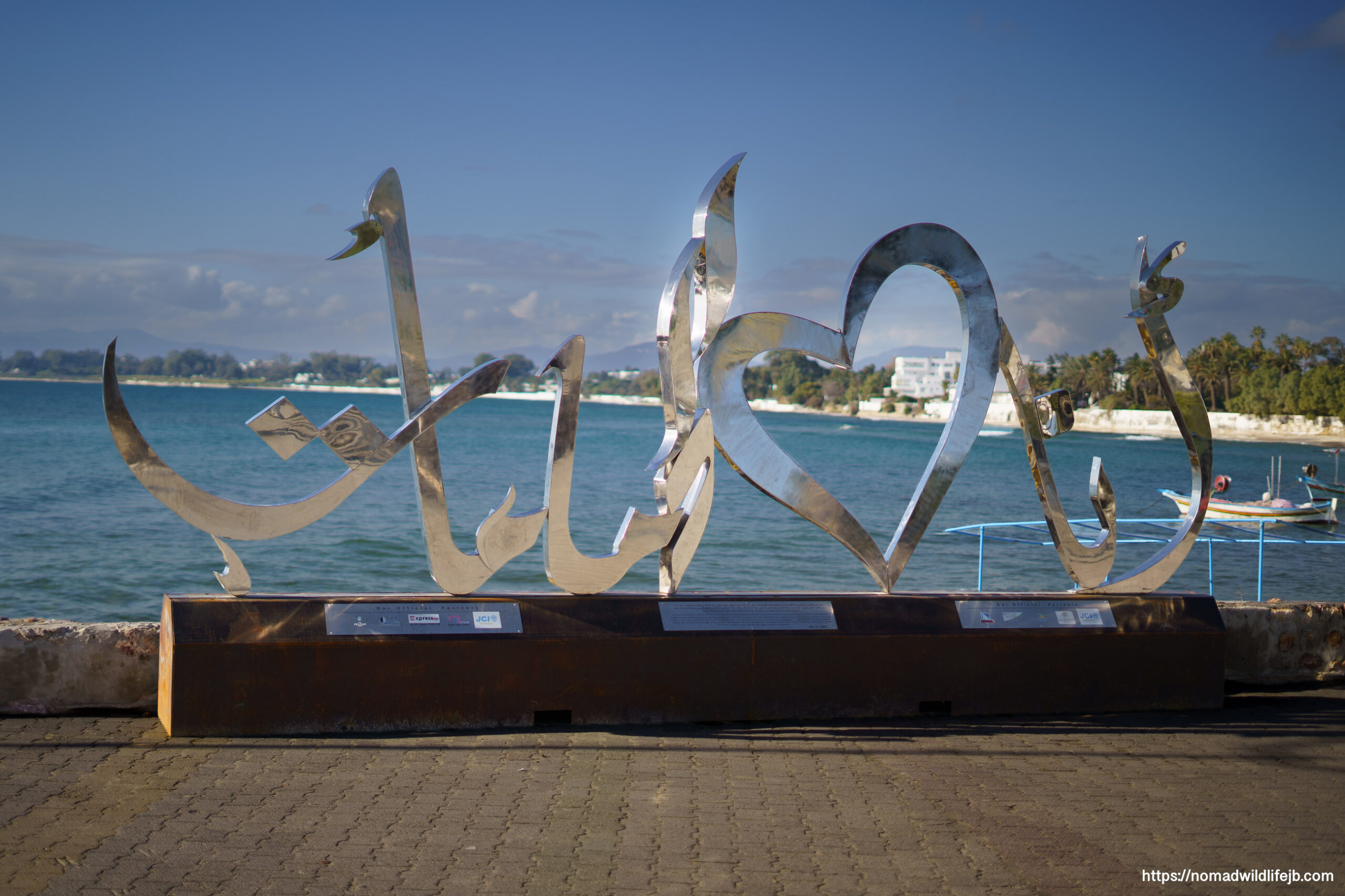
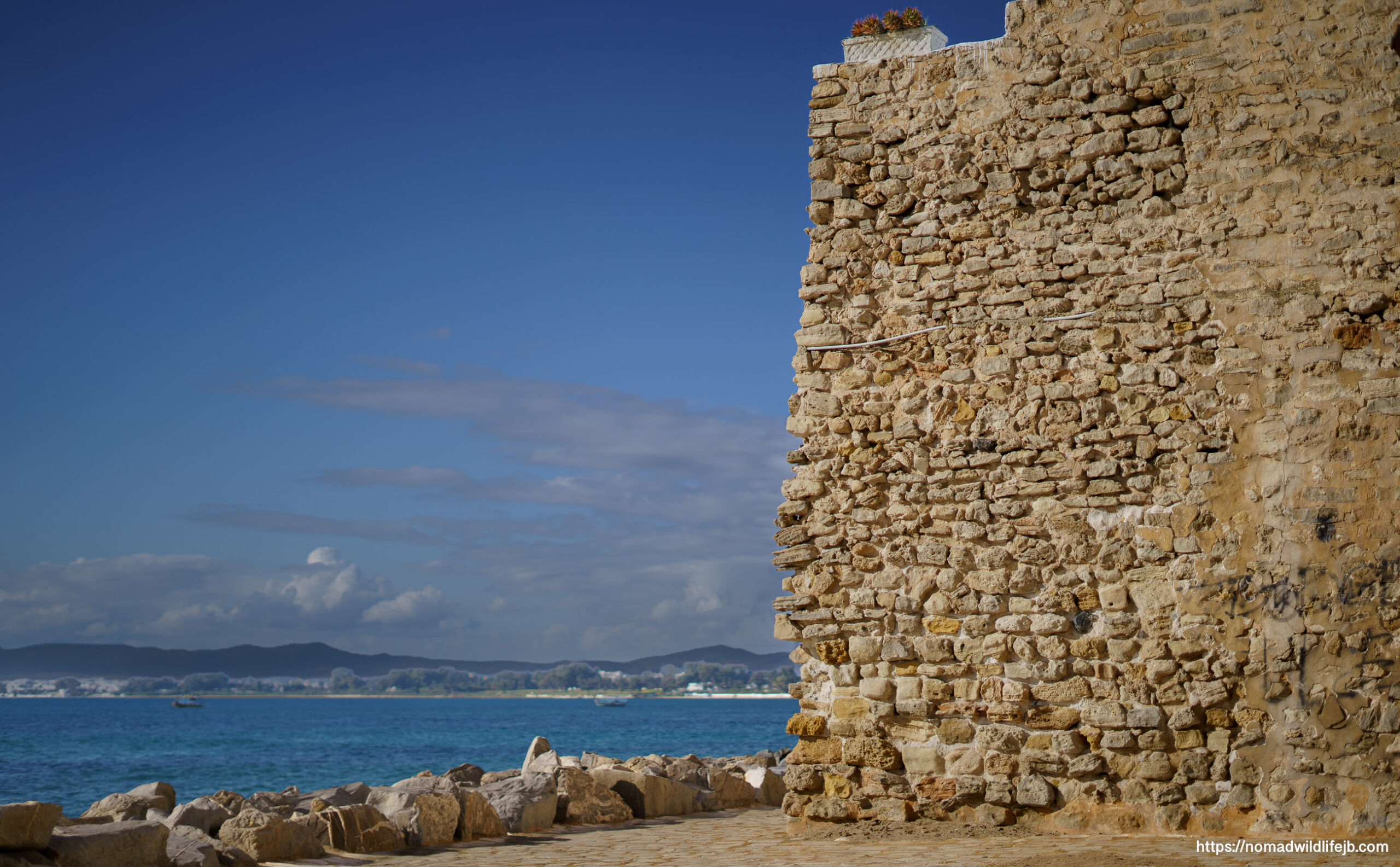
That feeling was amplified in the medina near the Fort of Hammamet. Vendors would step into pathways, steer us toward shops, and turn what could have been awe into a negotiation we didn’t ask to enter. I understand people are trying to make a living. I also know that the most successful selling doesn’t feel like a trap. Ironically, we probably would have bought something if it had felt calmer and more human.
To be fair: this isn’t unique to Hammamet. I’ve experienced aggressive sales pressure in Los Angeles, New York, Portland, and Seattle. But when there’s a language barrier and a lack of cultural context, it’s harder to soften your edges. It’s harder to replace vigilance with wonder.
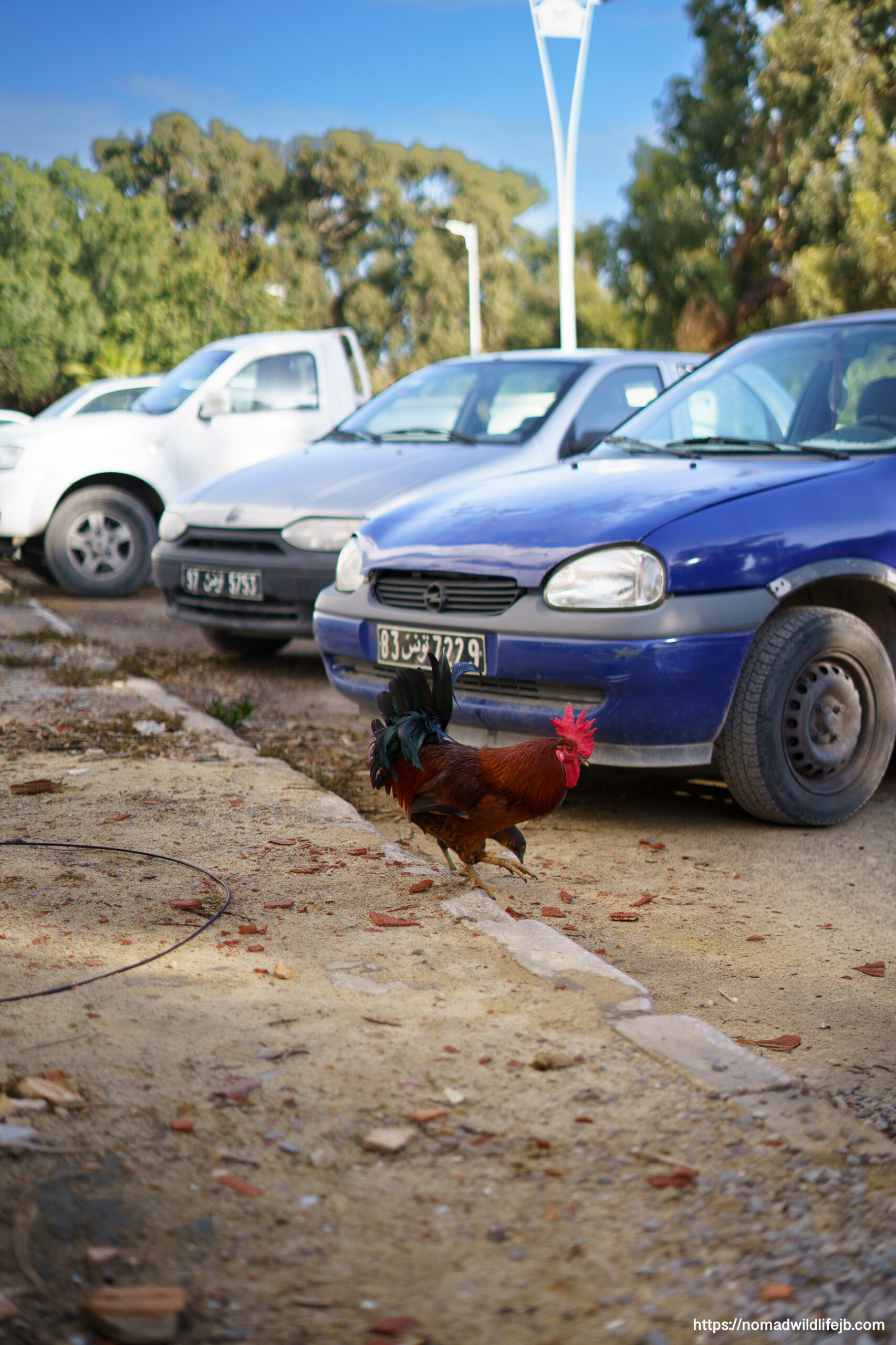
The gifts: rooftop light, shared food, and a storm
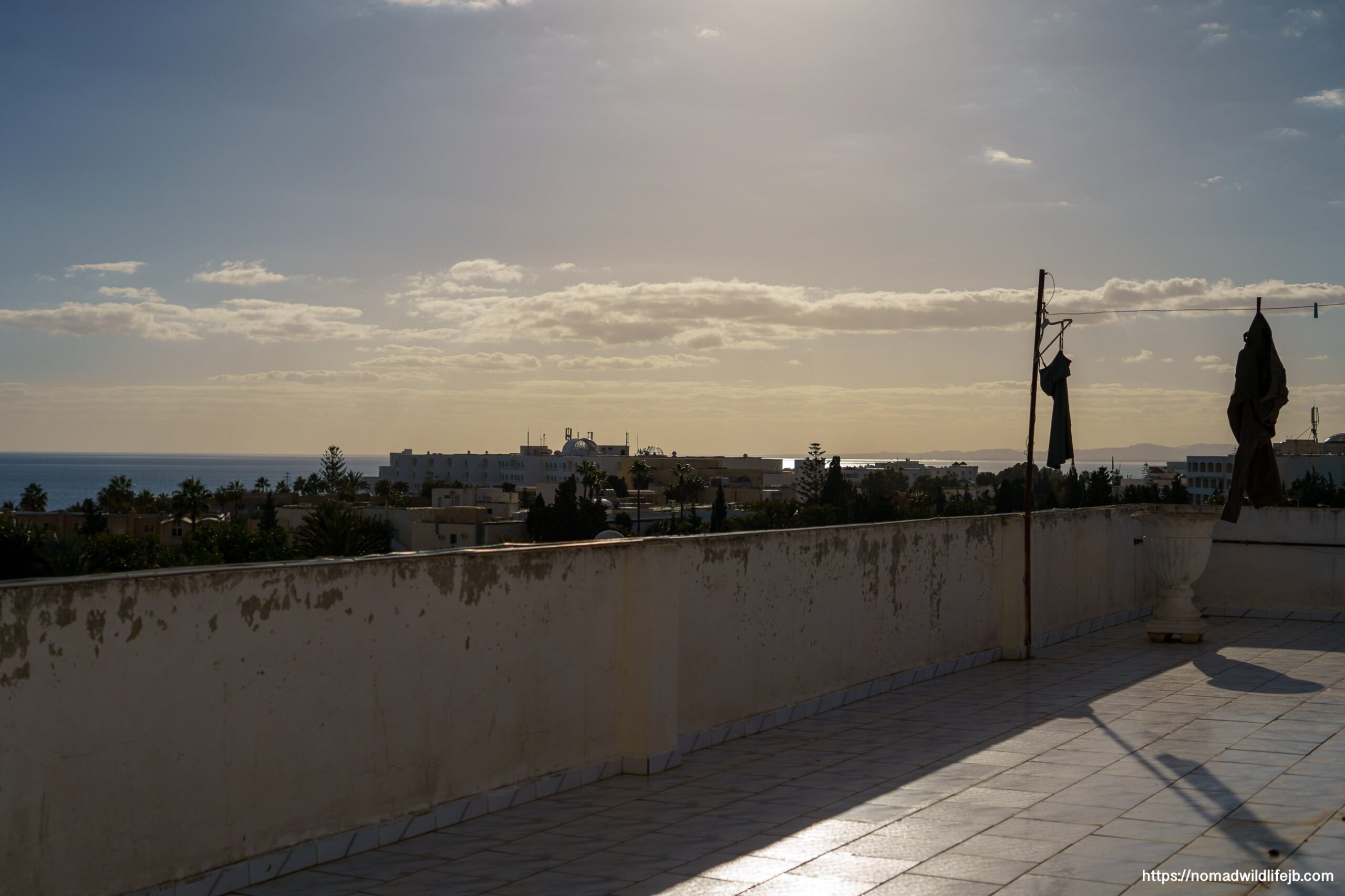
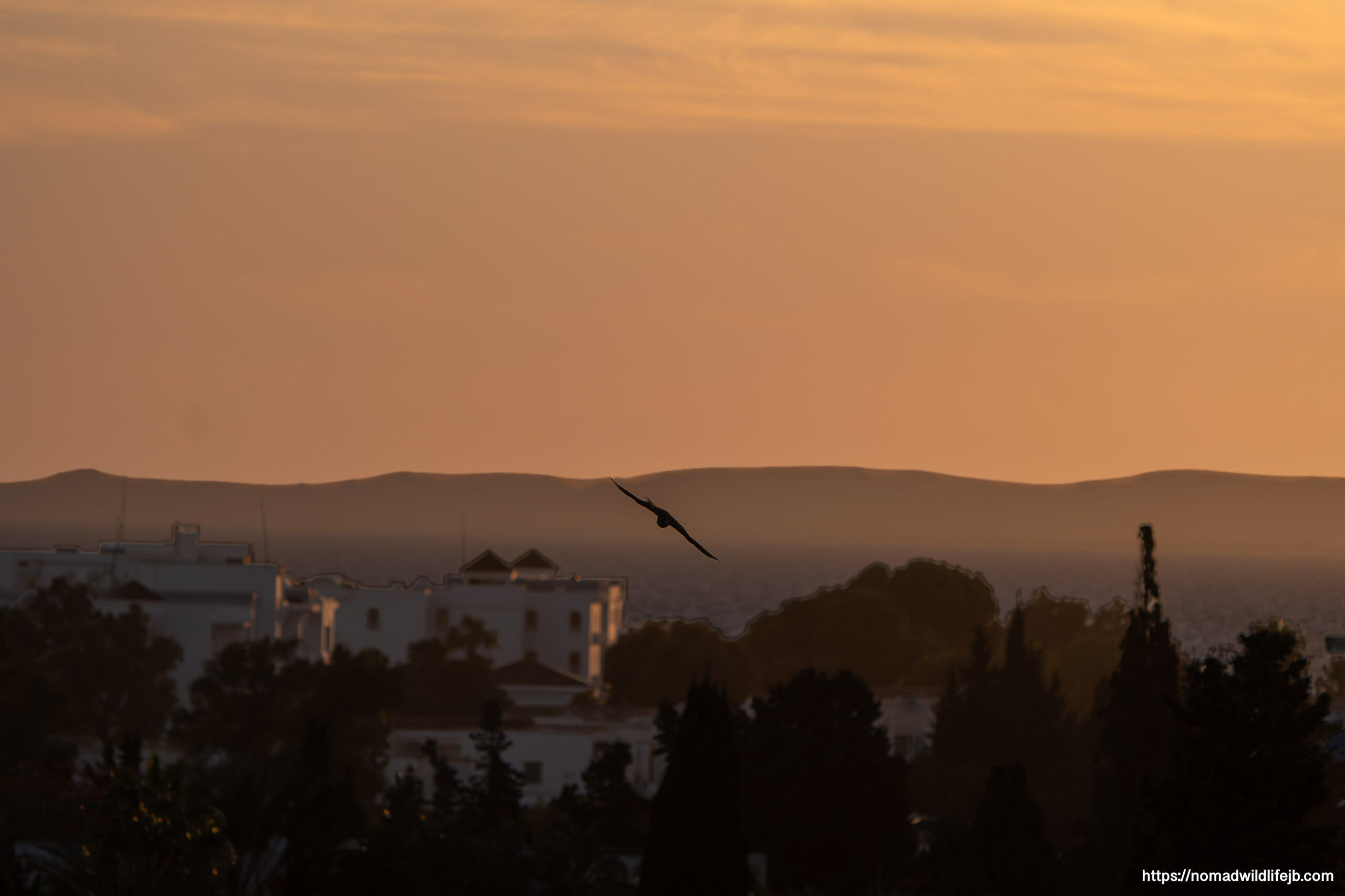
The beach at sunset was breathtaking. Our rooftop apartment, when everything worked, felt like a perch above the city—especially on those rare evenings when the sky finally opened up.
And the food… Tunisia knows spices. One night, our host saw us buying a thin pastry downstairs and asked why we were purchasing it. The honest answer: we didn’t know. It looked good, and we were curious. I assumed it was some kind of flatbread. It wasn’t.
He called his wife, and she made each of us a traditional Tunisian meal that ended up being one of our favorites of the entire month. That’s the version of travel I always hope for—the human version. The quiet generosity. The moment you remember that a place isn’t a headline, and it isn’t a street interaction. It’s people.
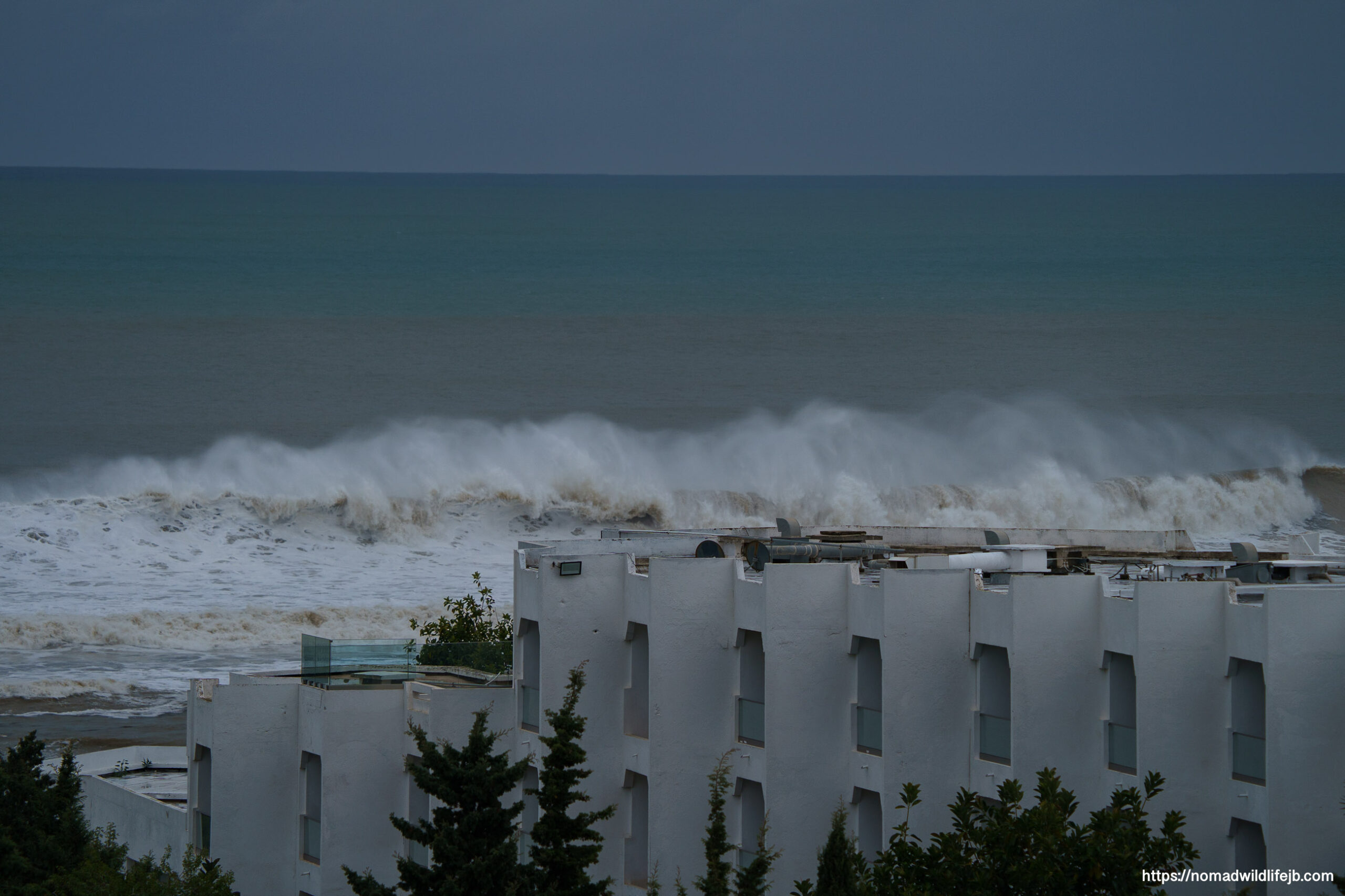
And then there was the storm—our best story, and the most purely positive thing I can say about the month. The kind of lightning that makes the world feel electric. The kind of sky that makes you forget, for a moment, how exhausted you are.
Hard entries, harder exits, and expensive lessons
Entering (and exiting) the country was also more stressful than we expected.
Italy didn’t care about onward travel. Tunisia did. We rolled the dice by arriving without onward tickets booked, and it bit us. We spent about an hour in customs trying to book proof we wouldn’t overstay—an unexpected expense that landed on an already sore budget.
That was compounded by earlier travel friction—like getting stuck in an Italian city on our way back from Mount Etna after missing the last train on New Year’s Eve. January had a theme: lessons cost money.
Dogs, darkness, and limits on exploration
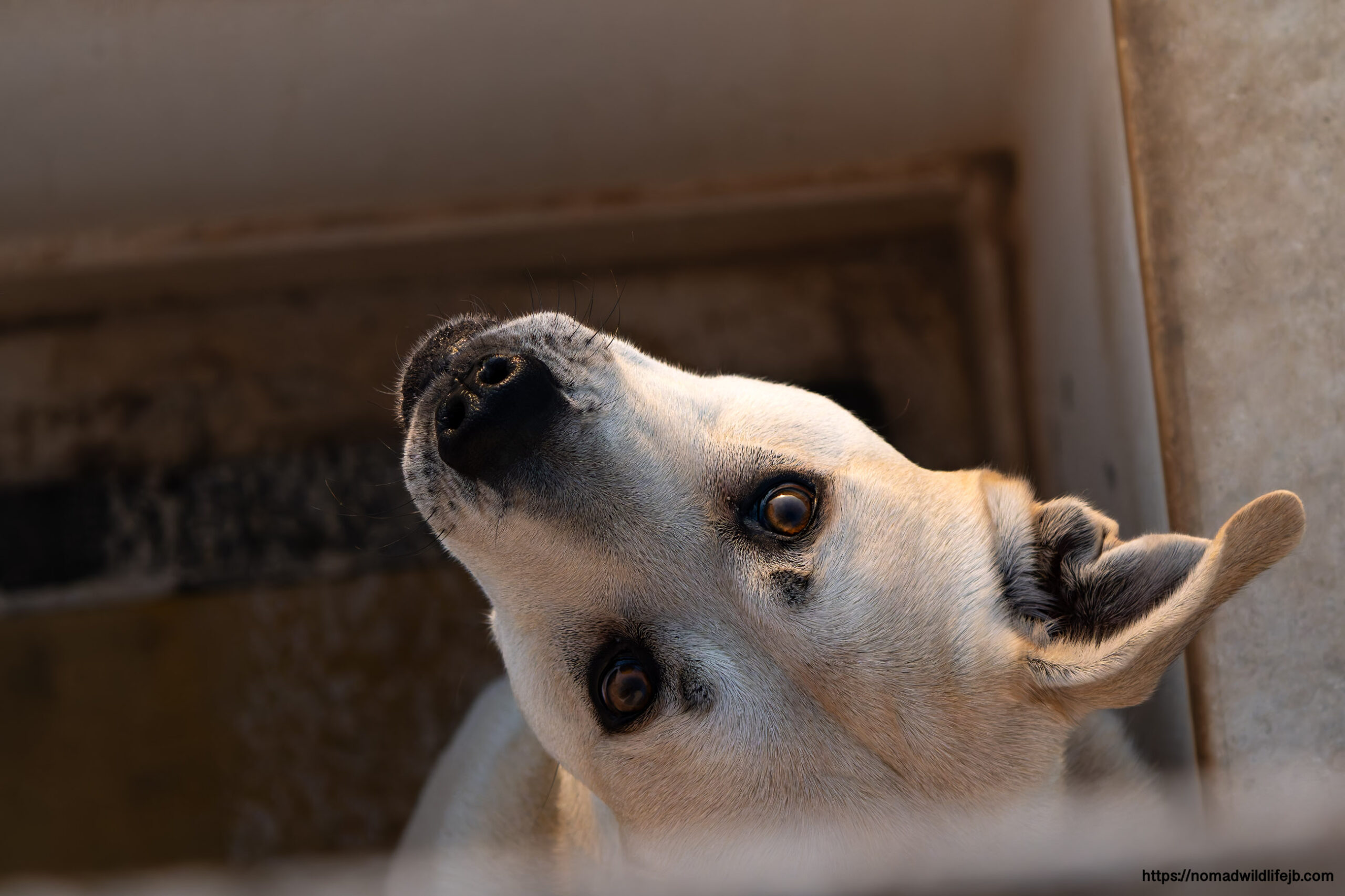
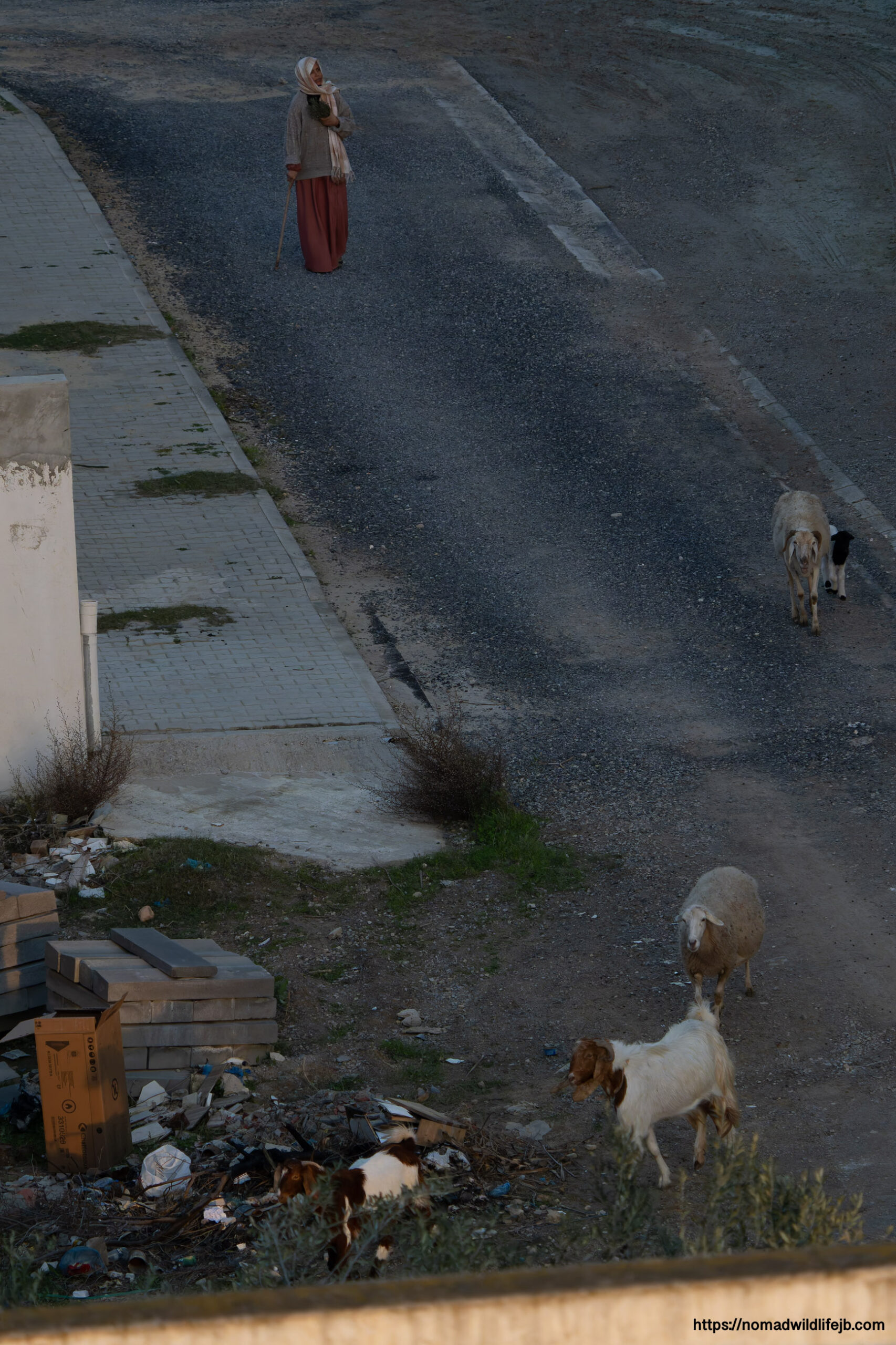
Dogs ran freely in the streets—some semi-domesticated, some feral, and at least a few that made us genuinely cautious. Our host warned us not to be outside after dark, which limited exploration more than we expected. Some nights we heard packs moving through the streets from our rooftop—an eerie soundtrack we were grateful not to meet at ground level.
Closing the chapter
All in all, I’d love to return to Tunisia—or Africa more broadly—someday. But this month taught us that how we return matters. Next time: a clearer itinerary, better timing, and a shorter stay—days, not a full month—built around what we’re actually trying to do and how we actually travel.
Goodbye, Tunisia. You were complicated. You were beautiful in flashes. You were a hard teacher.
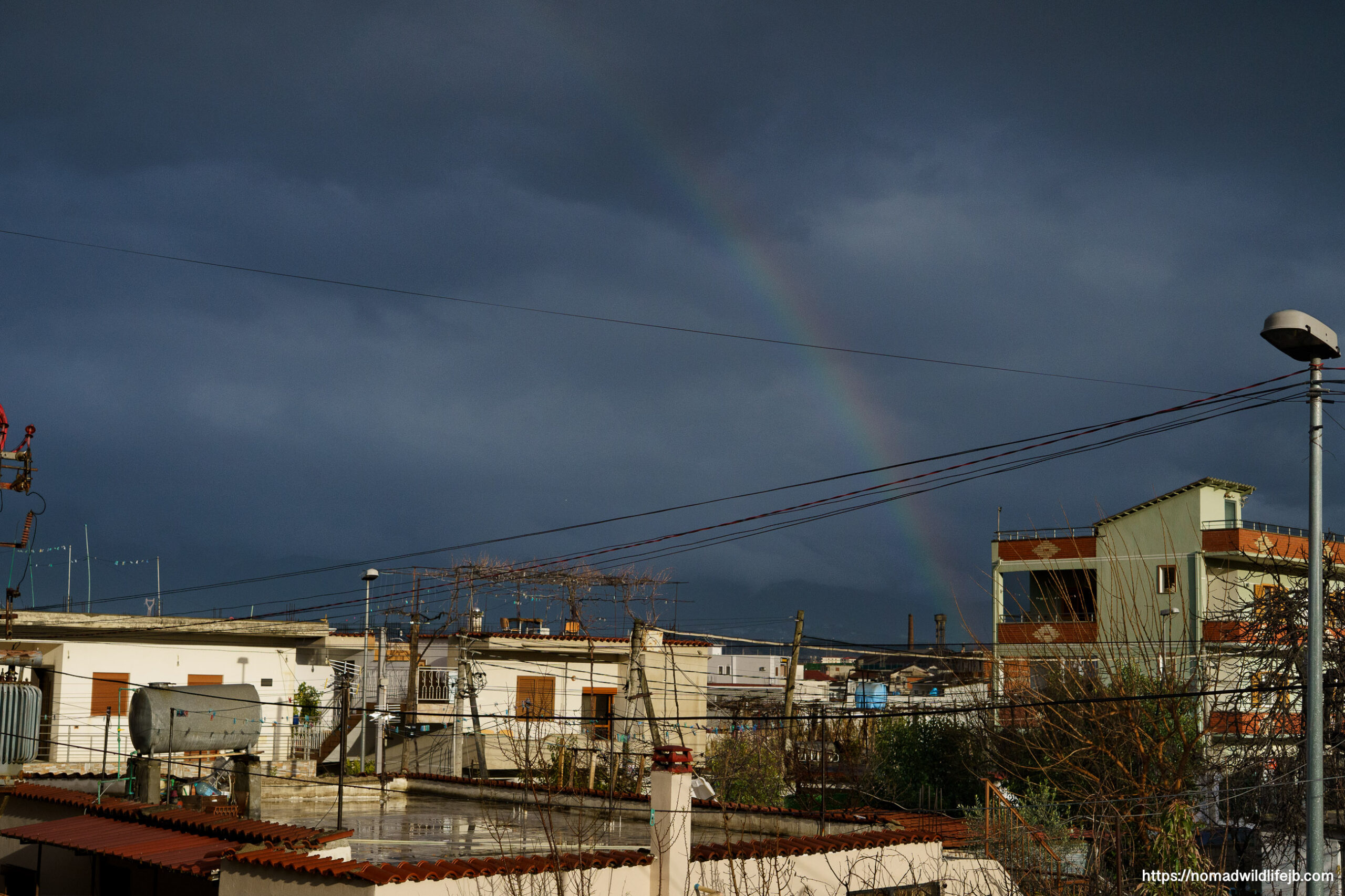
We’ve been in Albania for a week now, and the contrast is immediate. It’s still raining—but the people have been kind, the culture feels welcoming, and we’ve already made friends with locals and expats. In Tirana, I can finally exhale again.
Sometimes a place doesn’t hold you gently—so it teaches you to choose more carefully for the next adventure. And choose carefully we did.
my favorite line: “you were beautiful in flashes” ⚡️