Sitting in the heart of Albania is a wetland that would be easy to overlook. The kind of place you might pass on the way to a more obvious Adriatic destination without realizing what you just drove past.
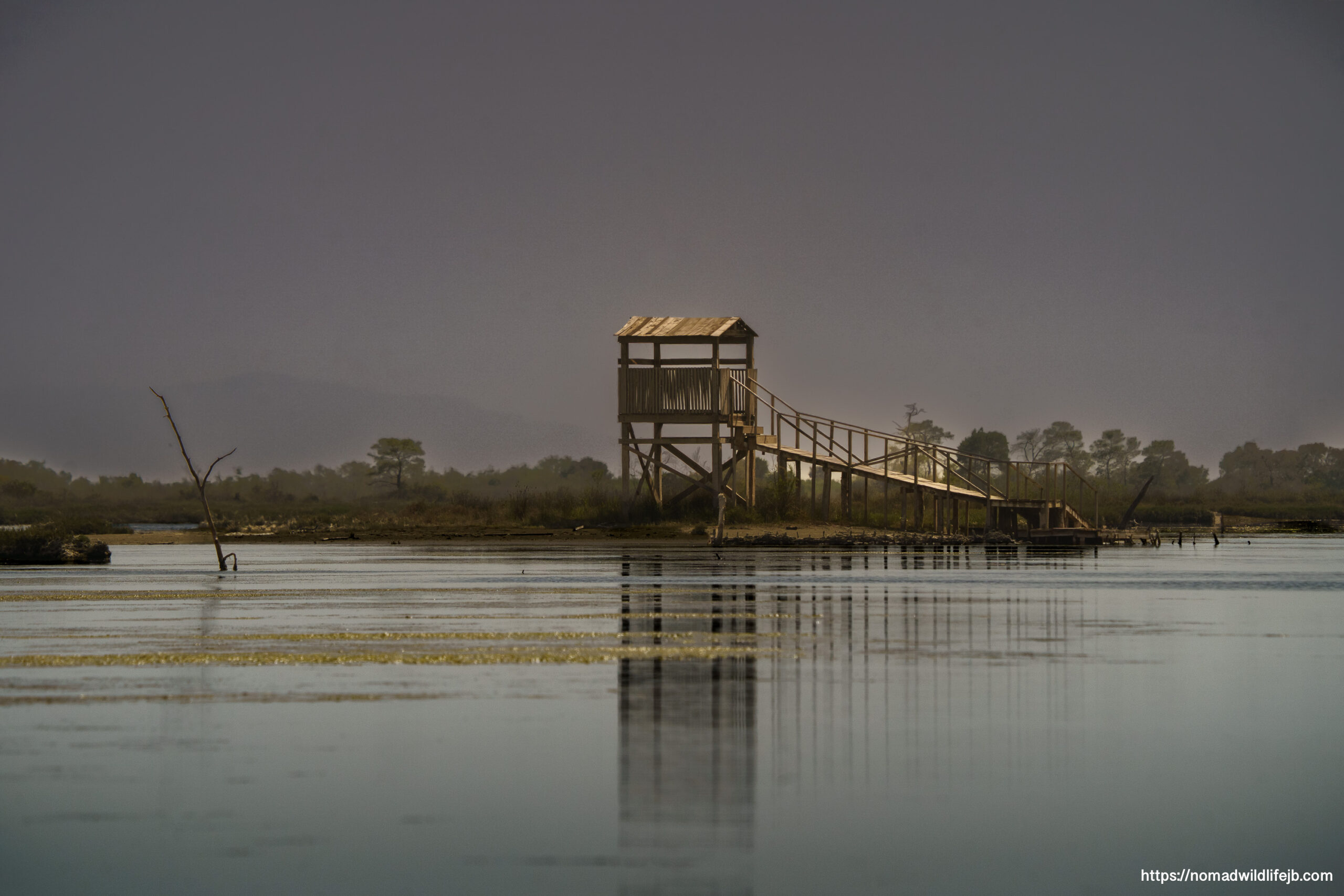
Karavasta Lagoon doesn’t demand your attention. It doesn’t have the drama of mountains or the pull of a coastline. It just exists—quiet, flat, and alive in a way that takes a minute to fully register.
And then it clicks.
This is one of the most important wetlands in the world.
The largest lagoon in Albania, and one of the largest in Europe, Karavasta is a layered ecosystem where pine forest, sand dunes, and brackish wetlands all collide within roughly 42 square kilometers. It’s home to over 230 recorded bird species, along with fish, mammals, reptiles, amphibians, and insects—each playing a role in a system that doesn’t need to announce itself to prove its importance.
It’s also directly beneath one of the busiest airspaces on Earth.
Not for planes—but for migratory birds.
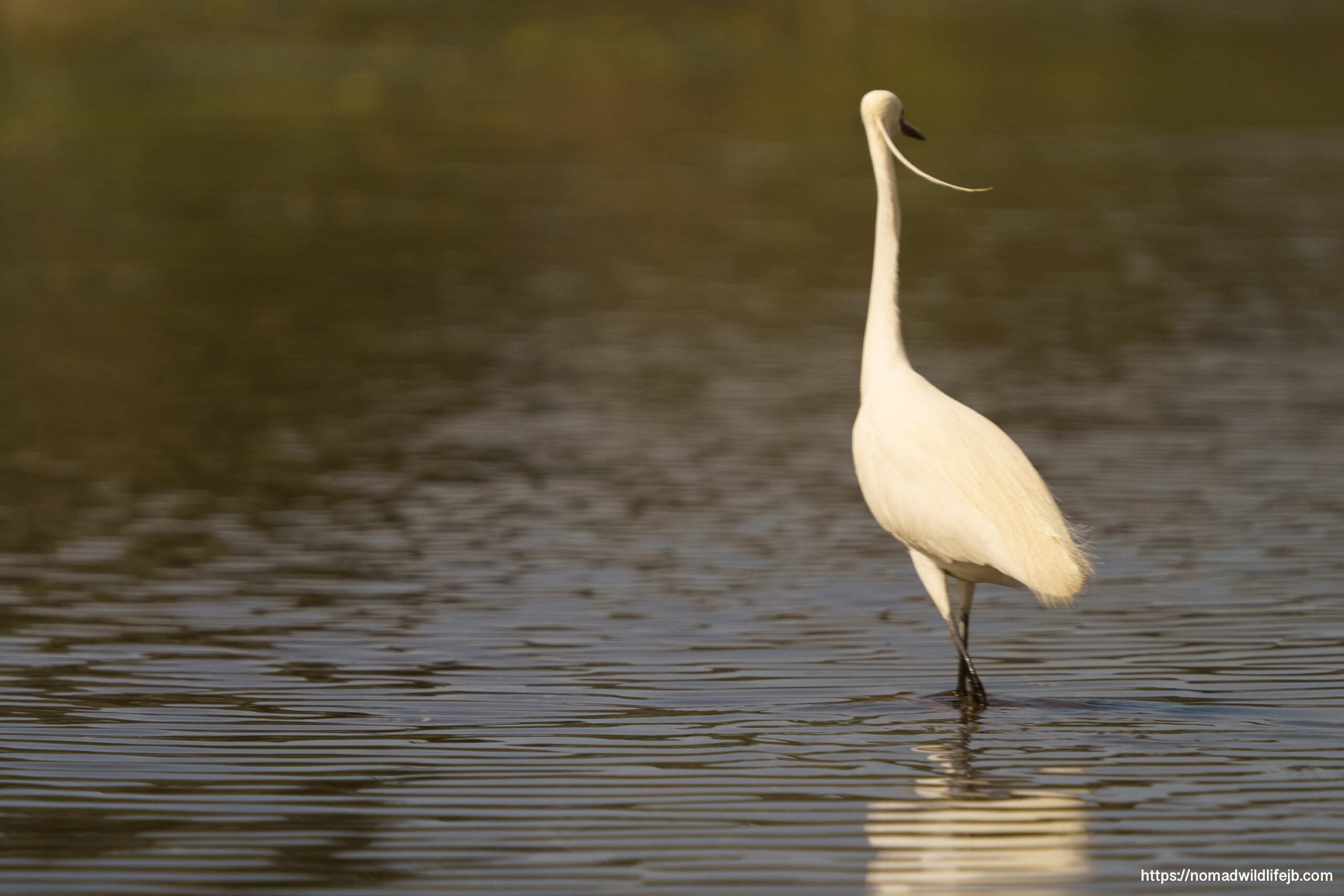
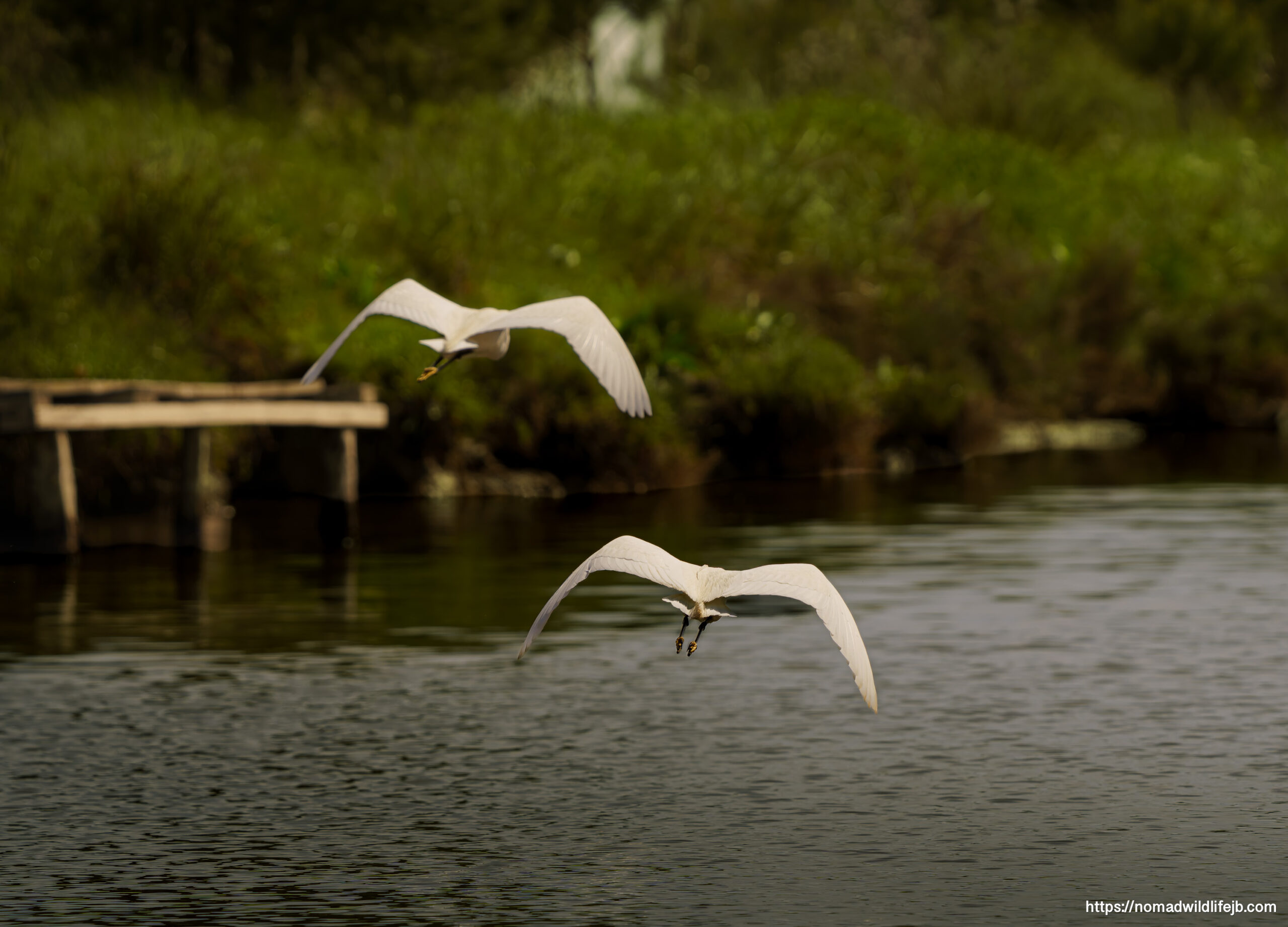
At any given moment, something above you may be traveling between Europe and Sub-Saharan Africa, navigating a route guided by instinct and memory rather than instrumentation. Watching them, it’s hard not to wonder what they make of us—these grounded, wingless observers trying to understand something they’ve already mastered.
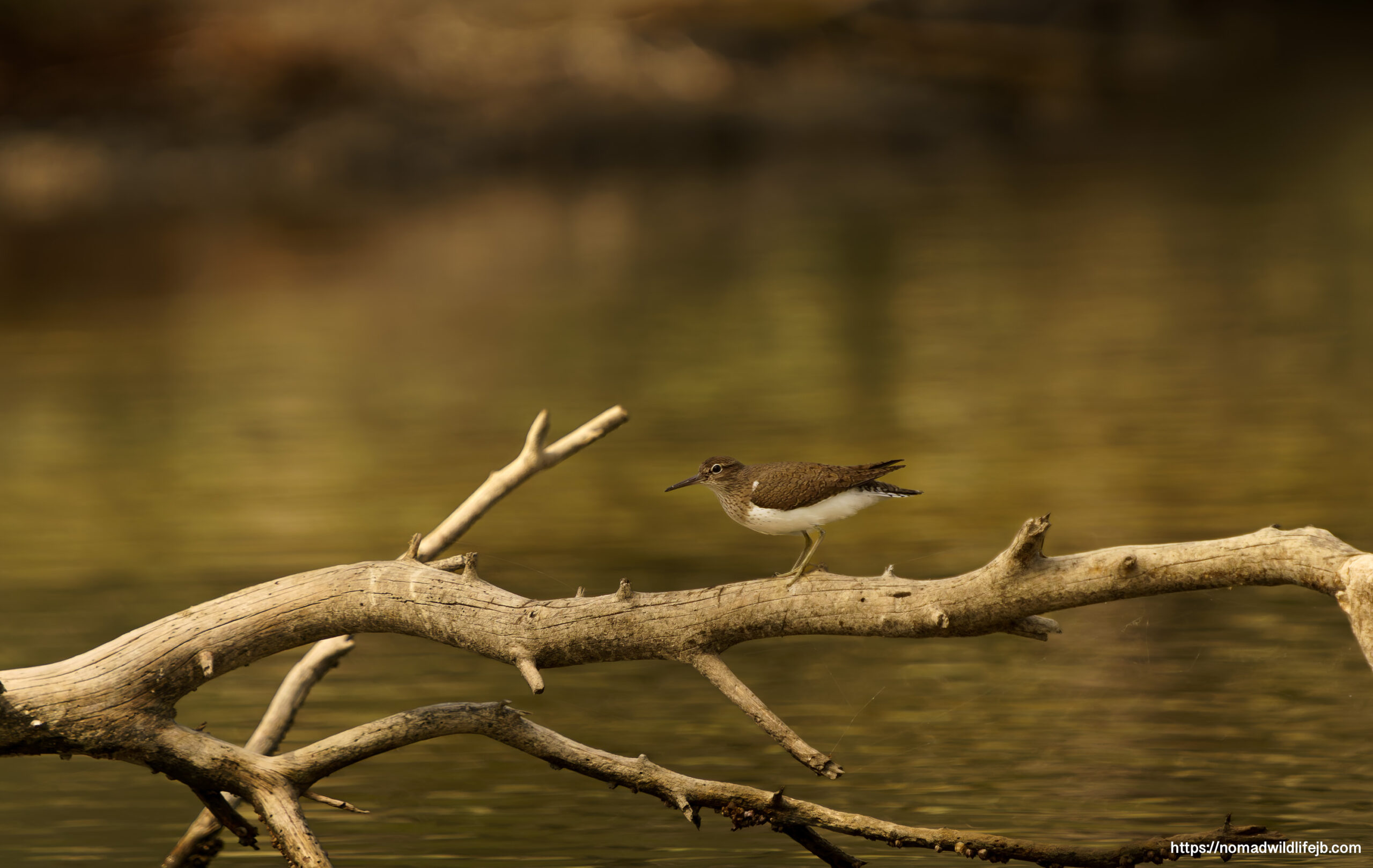
Among them, one species stands apart.
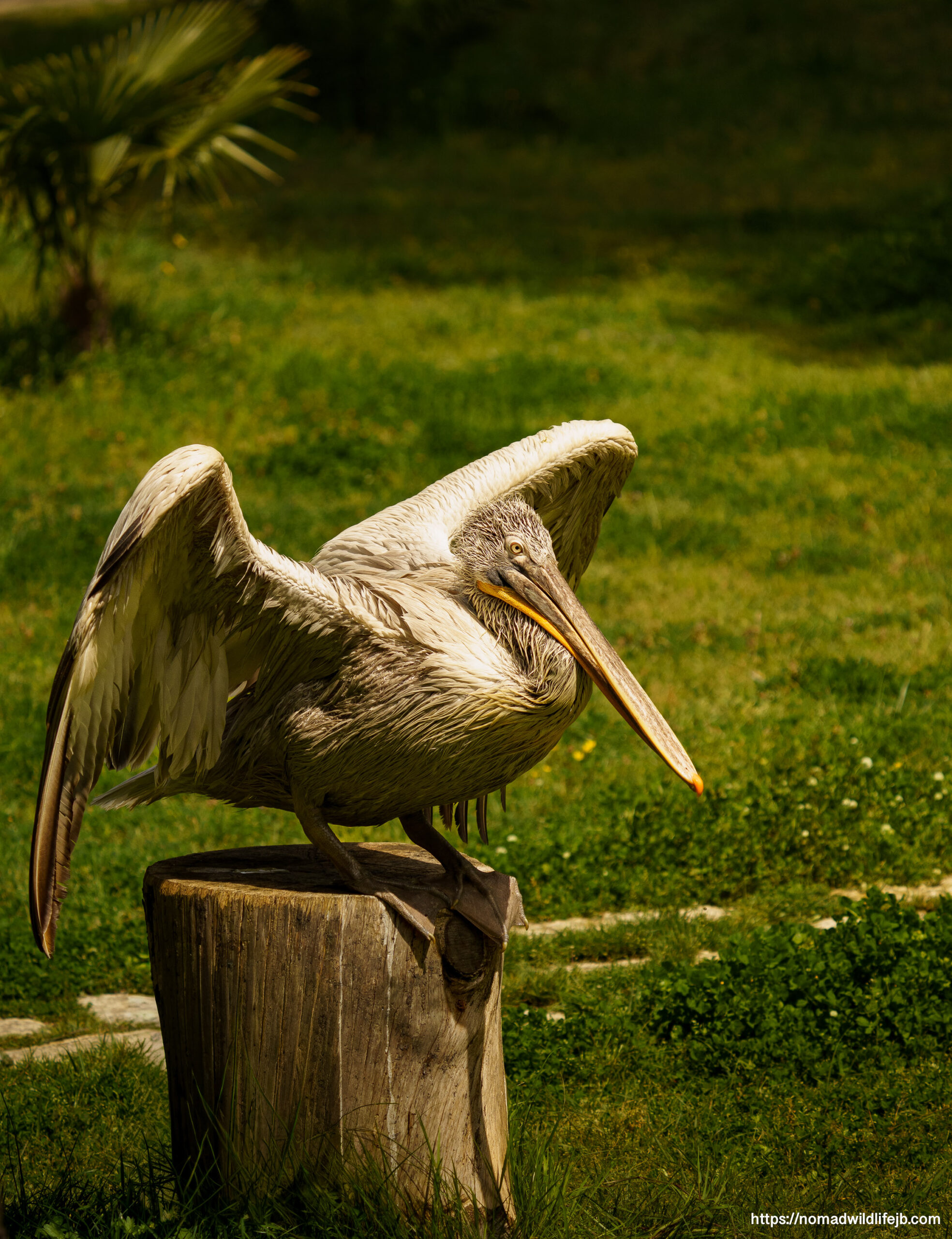
The Dalmatian pelican.
For those of us from coastal parts of the United States, pelicans aren’t unfamiliar. But these are different. Larger. Heavier. Older, somehow.
They feel prehistoric—like something that should exist in fossil form rather than flying overhead.
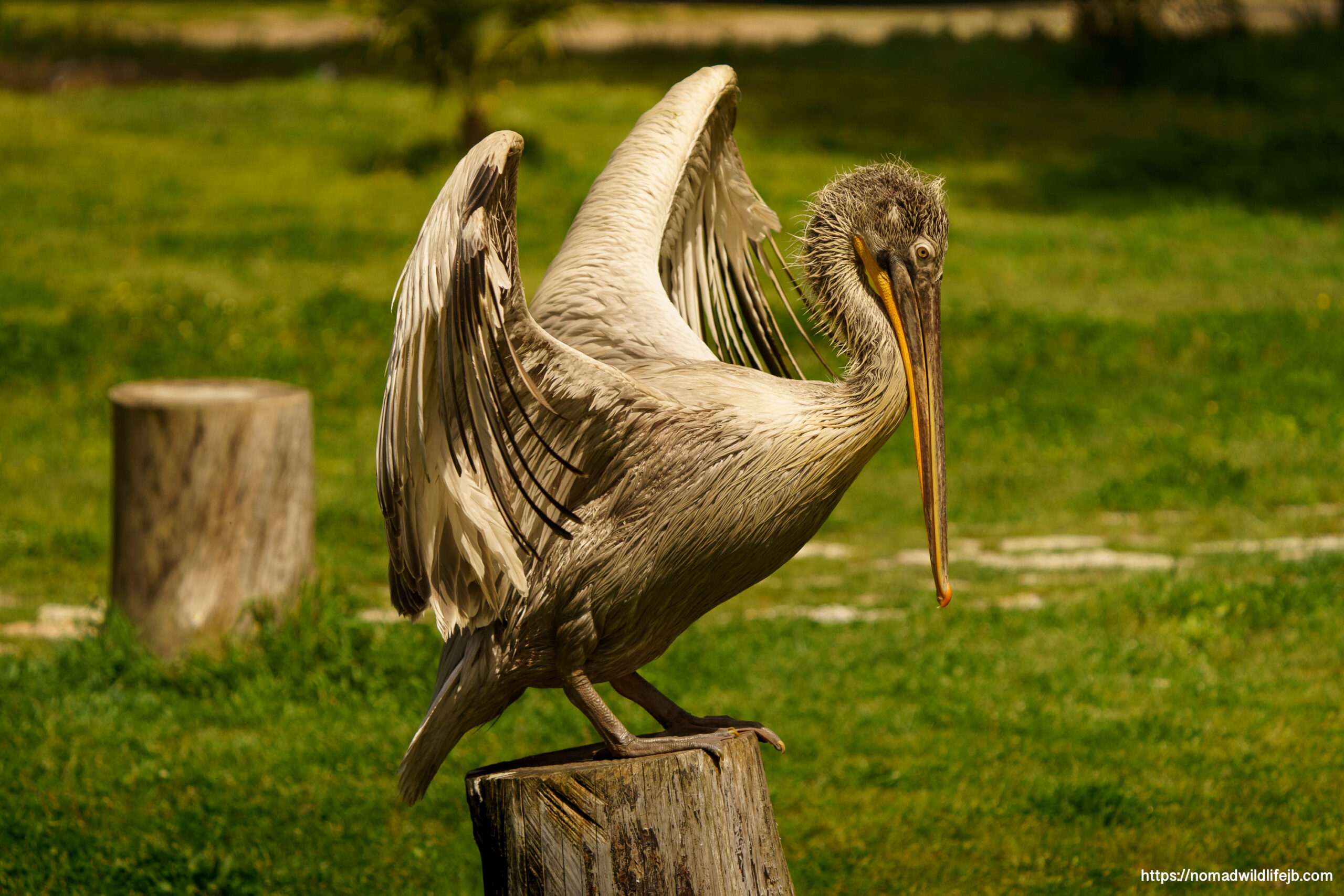
And yet, they fly.
Awkwardly, powerfully, improbably. When they take off, it sounds less like a bird and more like a small helicopter lifting into the air. Their long beaks and expandable pouches snap forward with precision when hunting, aided by a small hook at the tip that helps secure their prey.
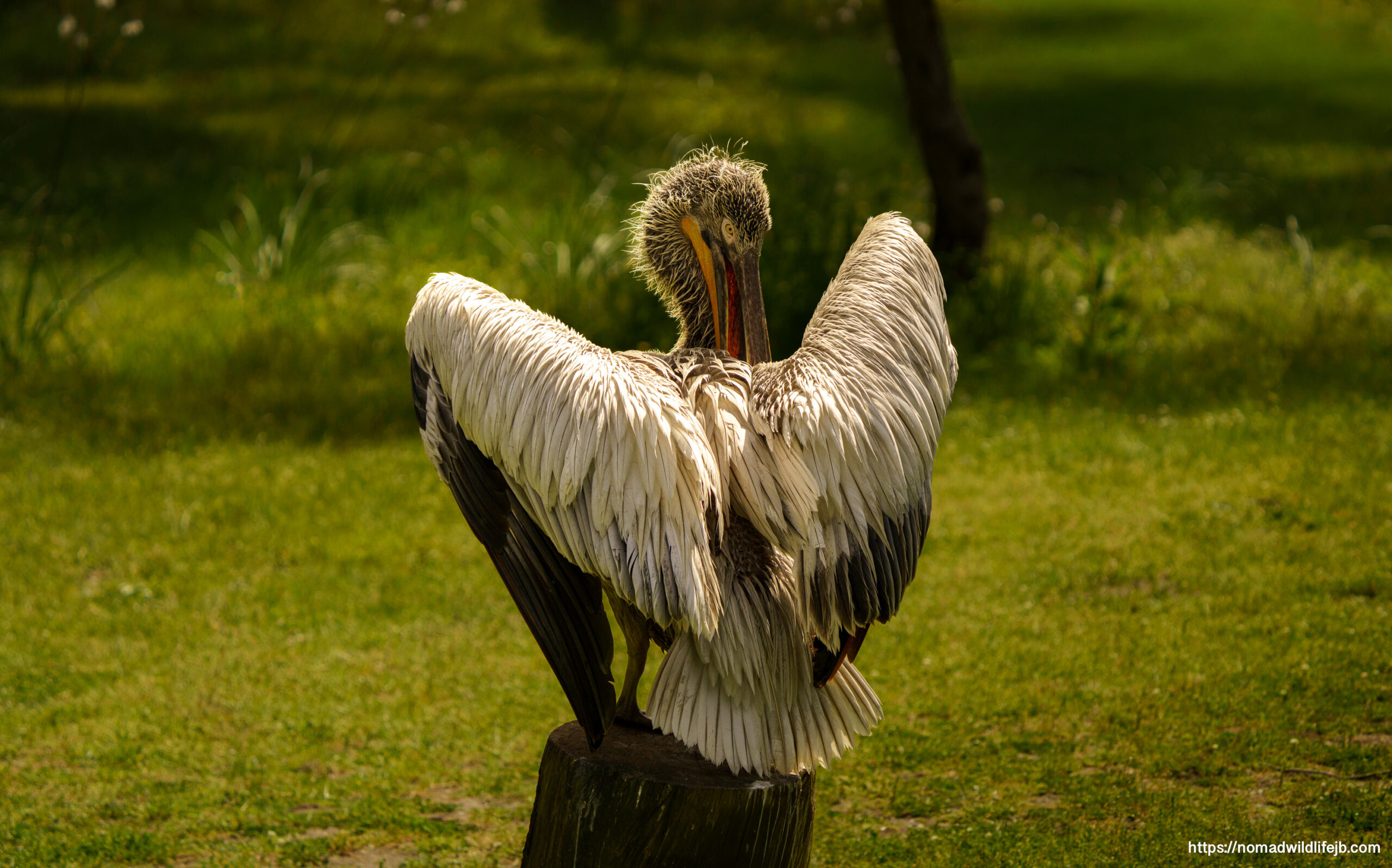
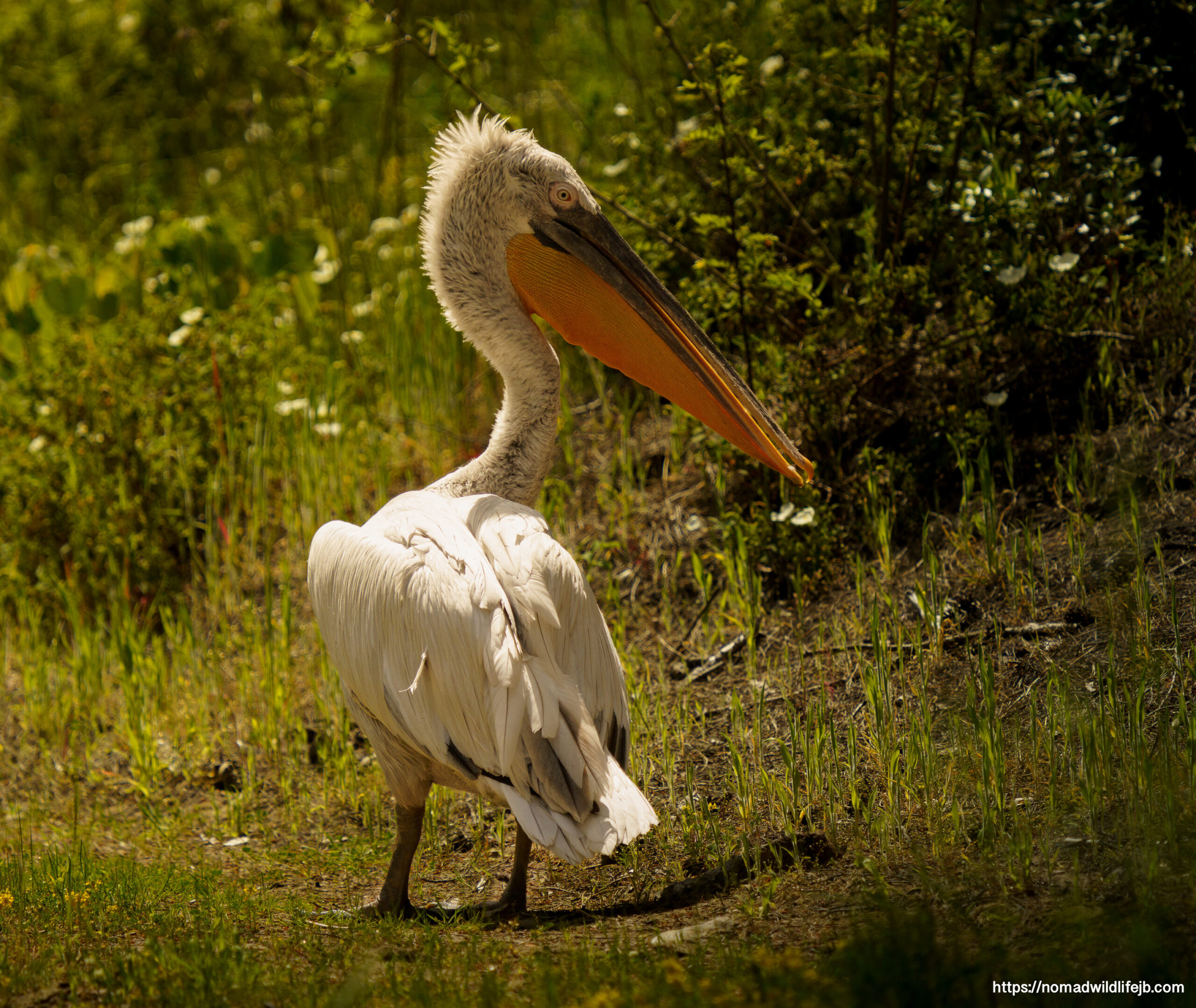
Karavasta isn’t just a stopover for them—it’s critical habitat.
Roughly 6% of Europe’s Dalmatian pelican population is found here, and it remains the only breeding site for the species in Albania, with around 80 breeding pairs relying on this ecosystem to survive.
Which makes what we witnessed harder to ignore.
We watched a juvenile pelican hunting—an incredible moment on its own. Focused. Patient. Locked into the rhythm of the water.
Until it struck.
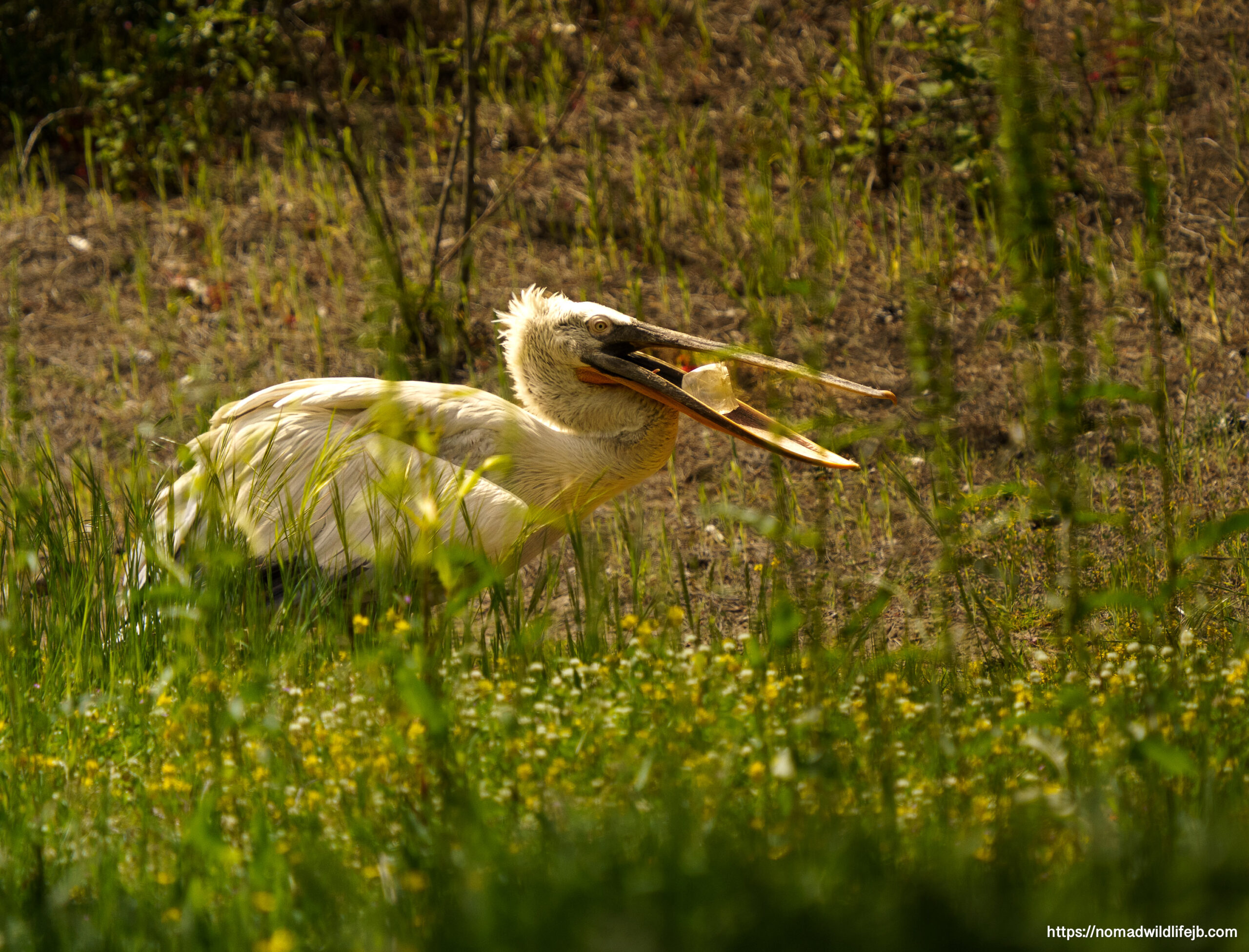
And came up with a plastic bottle.
Not a fish. Not a jellyfish. Not anything resembling food. Just waste—misidentified in a system where survival depends on quick decisions.
It’s easy to think about environmental damage in terms of massive infrastructure—airports, construction, expansion. The visible, obvious threats.
But standing there, watching that bird, it became clear how much damage can come from something much smaller.
A single plastic bottle.
For an animal like this, that bottle isn’t just litter.
It’s a mistake that costs energy.
A failed hunt.
A risk of injury.
Maybe more.
This single plastic bottle could have been this dinosaur’s meteorite.
And it’s never just one.
Fishing line. Plastic bags. Bottle caps. Straps. Waste that doesn’t belong here, but stays anyway. In a slow-moving, semi-enclosed system like Karavasta, it doesn’t wash away—it accumulates. It settles into nesting areas, tangles chicks, contaminates the food chain, and quietly chips away at a system that depends on balance.
Over time, that means weaker birds. Lower breeding success. Declining populations—not just for pelicans, but for everything connected to them.
And yet, it’s not all loss.
There are people here doing the work.
People like my friend Buddy Goad, who is taking discarded plastic bottles and turning them into usable 3D printing filament—repurposing waste into something functional. Some of his work has already gone toward creating refillable food and water stations for stray animals, while also raising awareness about the value of recycling in a place where it matters deeply.
It’s a small-scale solution to a large-scale problem.
But it’s a start.
Places like Karavasta don’t exist everywhere anymore.
And they don’t need saving in the abstract—they need respect in the immediate.
If you come here, take something with you that wasn’t yours.
Because in a place where everything is meant to pass through—
plastic is one of the few things that doesn’t.
the campsite rule – leave it better than you found it!
Wonderful ❤️