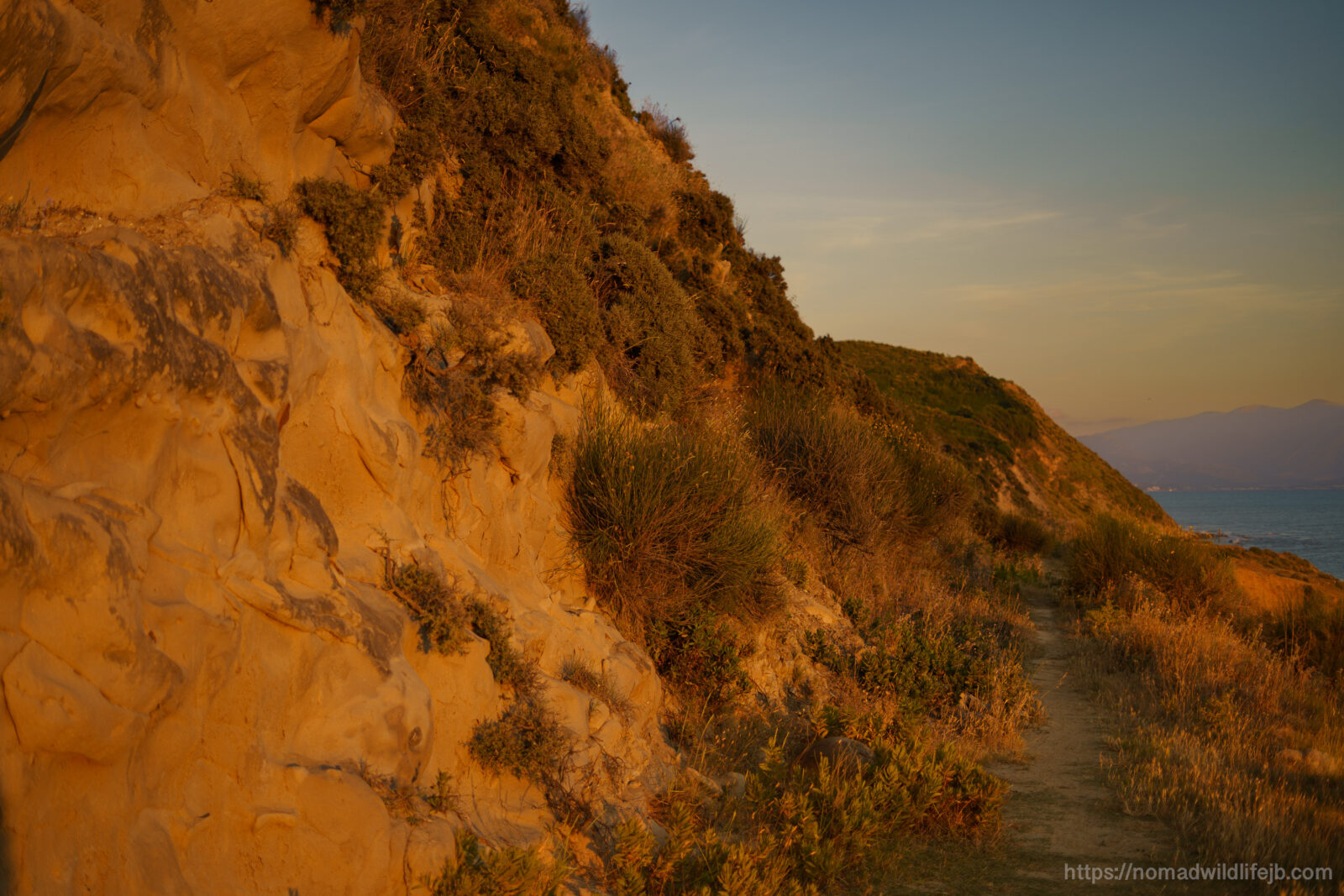
This limestone beneath our feet is what the protests are about.
But before I could understand why thousands of people were marching for this place, I had to understand the place itself.
The bunker behind us was silent.
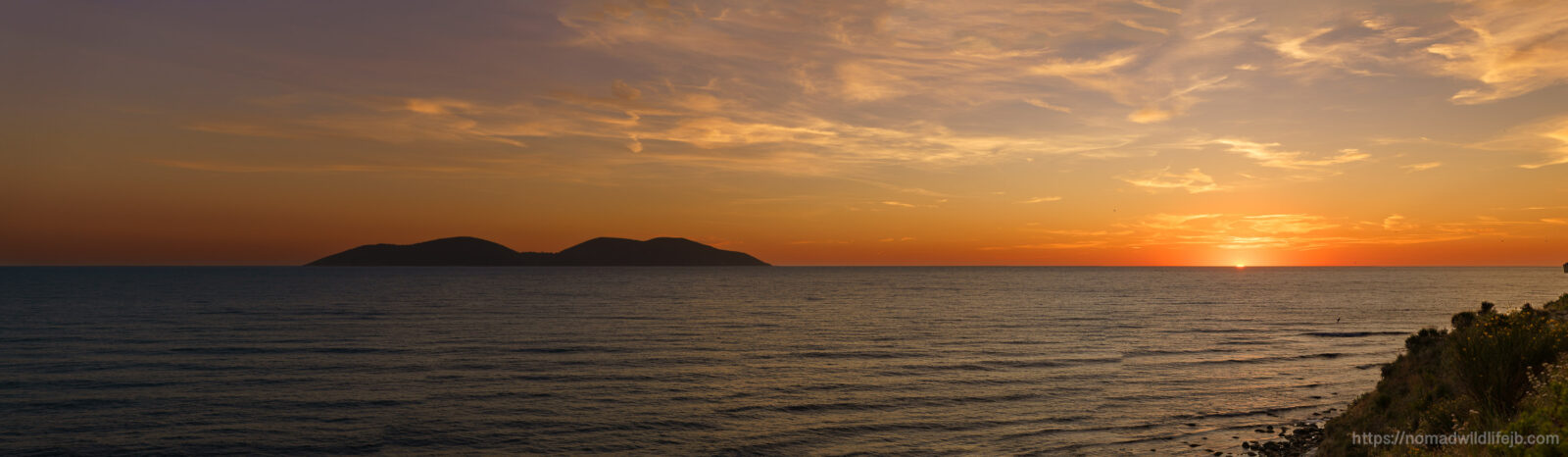
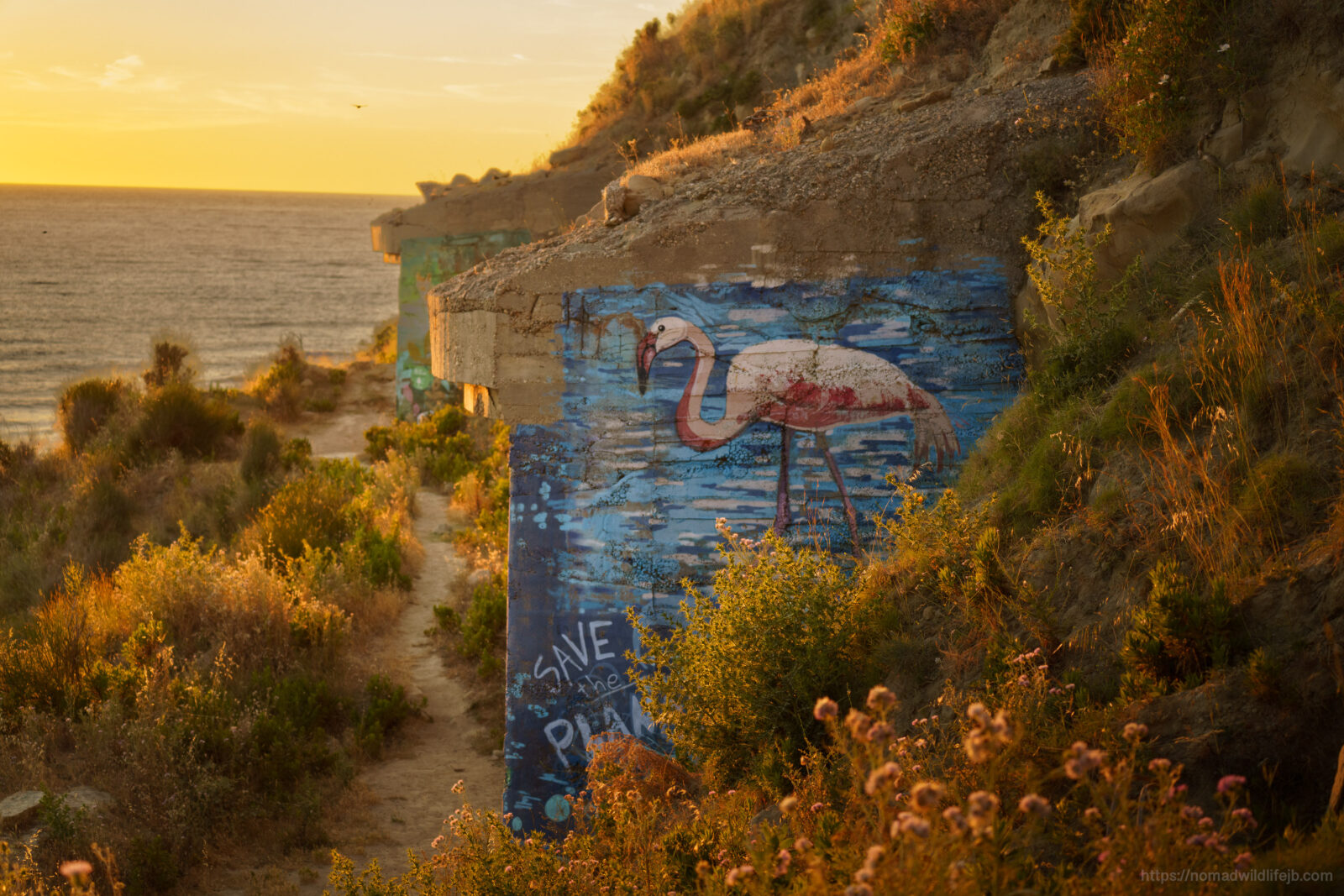
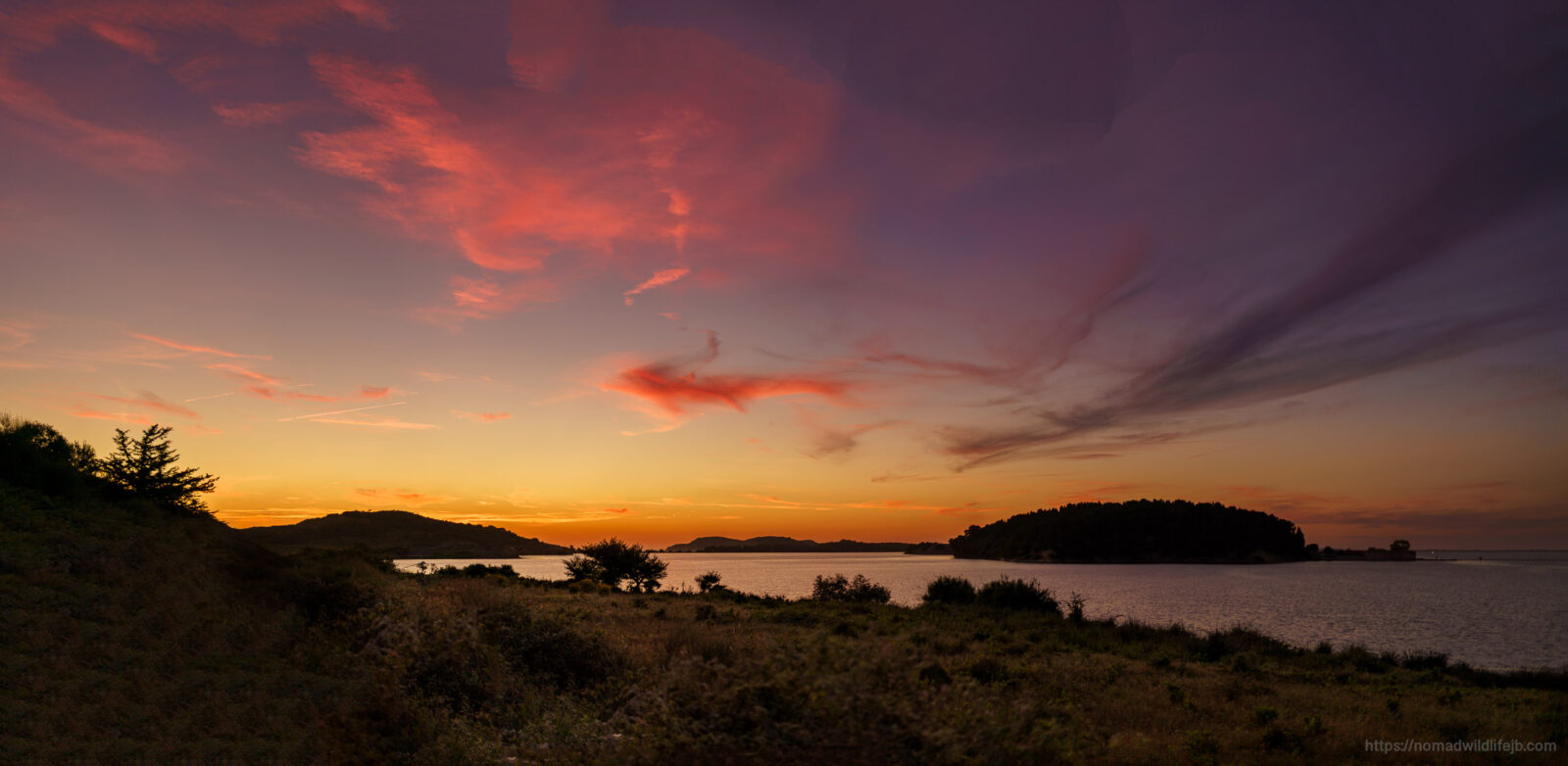
Its cracked concrete walls, once built to defend a nation, were slowly disappearing beneath Mediterranean shrubs and wild grasses. Rusted steel poked through weathered cement, while swallows darted in and out of openings that had once watched the sea for enemies. Ahead of us, Sazan Island rose from the water, its limestone cliffs glowing gold beneath a Mediterranean sunset that painted the sky in soft pinks and deep oranges.
For a long moment, neither Jess nor I said anything.
To our left sat the ancient Monastery of Saint Mary, tucked quietly into the hillside. Below us, the salt flats shimmered in the evening light, home to thousands of birds and countless forms of life that most visitors would never notice. The sea was calm. The wind carried the smell of salt across the cliffs. The world had gone quiet, leaving only the steady pulse of the Mediterranean against the limestone and the songs of sparrows hidden among the brush. It was difficult to imagine this peaceful landscape had once been one of the most heavily fortified places in Albania.
Getting here hadn’t been easy.
The month had been financially brutal. Unexpected expenses had wiped out the small savings we’d only just managed to build, and adventures had quietly slipped into the category of “maybe next month.” But a €16 round-trip bus ticket leaving Tirana before sunrise was enough. At five o’clock that morning we climbed aboard, determined that, even if our budget was exhausted, our curiosity didn’t have to be.
By the time we reached the overlook, we were soaked in sweat, covered in bug bites, and wondering if we had packed enough water for the hike back into Zvërnec.
It was worth every miserable step.
Most people outside Albania know this coastline because of the headlines. They know it as the place at the center of protests, political debate, and international attention.
But this isn’t really a story about politics.
It’s the story of a place that has spent more than two thousand years changing hands between empires, armies, and governments. It’s the story of how one of Albania’s most secret military installations accidentally became one of its greatest sanctuaries for wildlife. It’s the story of why this landscape matters long after today’s headlines have faded.
Jess and I have attended the protests in Tirana. We’ve stood among tens of thousands of Albanians chanting peacefully through blistering heat, rain, and afternoon thunderstorms. Their message has been remarkably consistent: this place is worth protecting.
But I think what makes this coastline special is often misunderstood.
People talk about flamingos.
People talk about development.
People talk about politics.
Few people talk about the place itself.
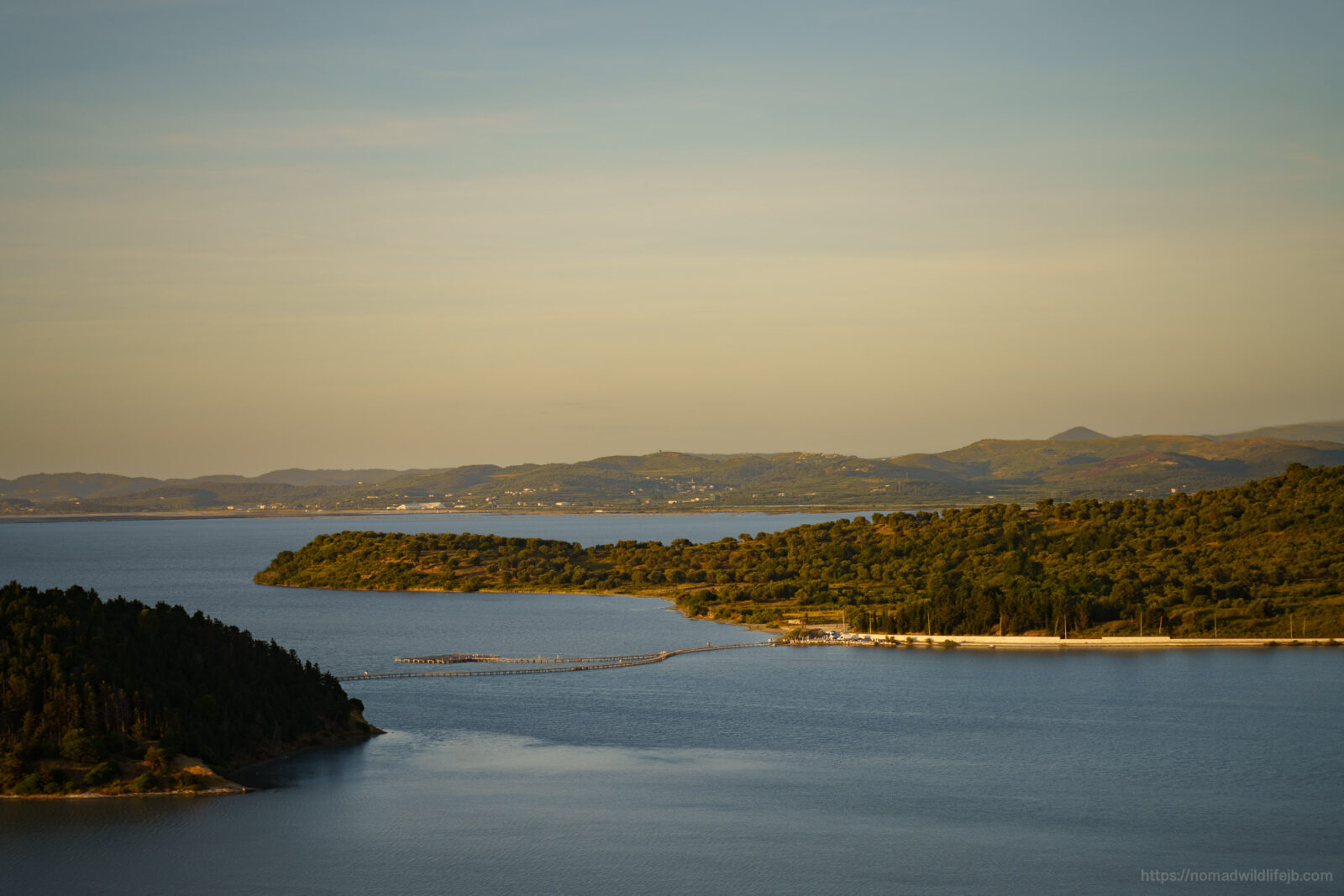
Sazan Island has been known by many names throughout its long history. The ancient Greeks called it Sason. The Romans knew it as Saso. For centuries it served as a refuge for ships navigating dangerous waters at the entrance to the Strait of Otranto, the narrow gateway connecting the Adriatic Sea to the Ionian and the wider Mediterranean.
The island was never valuable because of what grew on it.
It was valuable because of what passed beside it.
Whoever controlled Sazan controlled one of the most strategically important waterways in the region. Trade ships, military fleets, and empires all passed within sight of its cliffs. Over thousands of years, ownership changed again and again, each new ruler recognizing the same truth as the last.
This small island commanded a very large piece of the Mediterranean.
Its military identity reached its peak during the twentieth century.
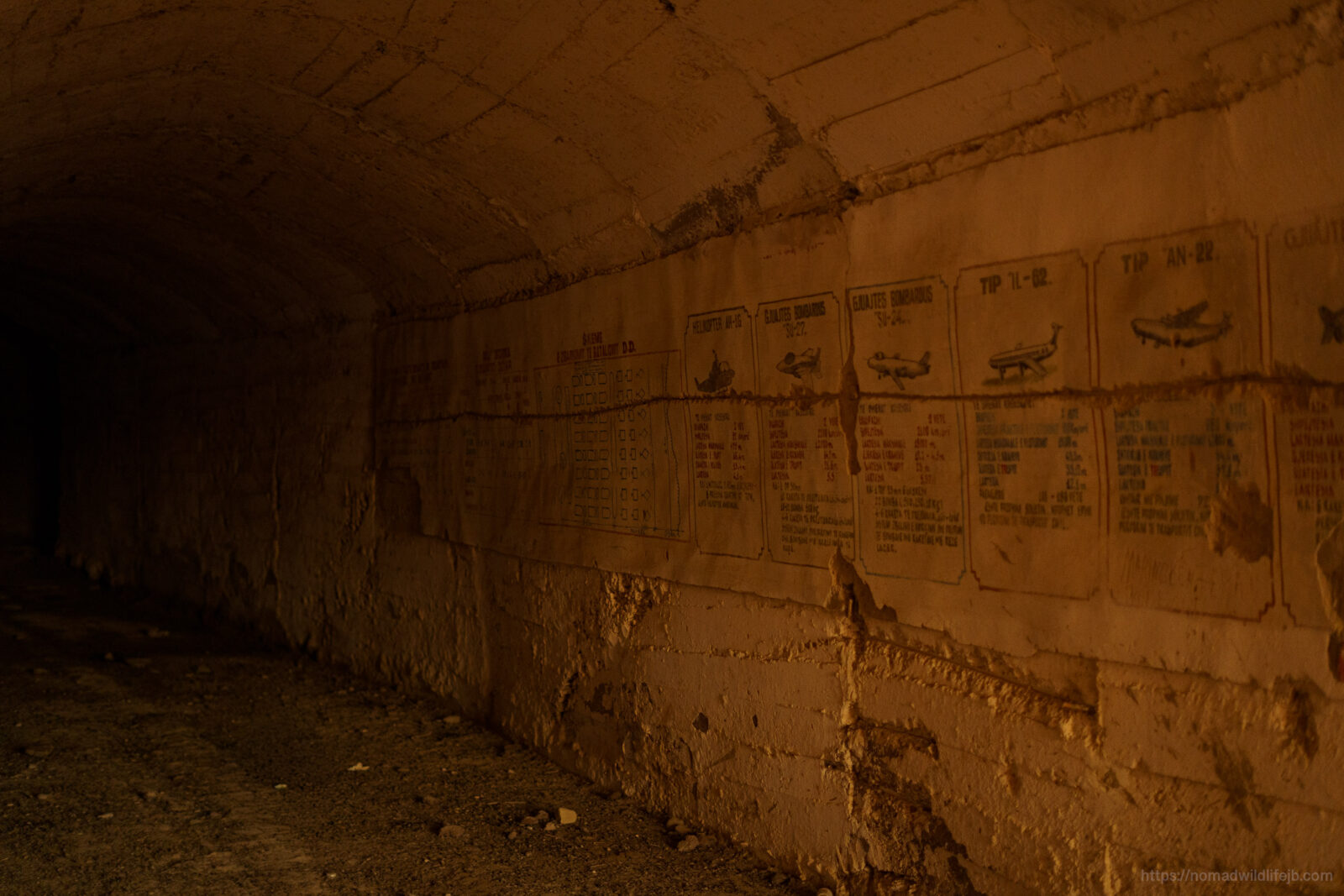
Italy fortified the island during the First World War, transforming it into a defensive stronghold guarding the entrance to the Bay of Vlorë. After the Second World War, communist Albania expanded those defenses dramatically. Under Enver Hoxha, Sazan became one of the country’s most secretive military installations. Bunkers, tunnels, observation posts, and naval infrastructure spread across the island as Albania isolated itself from much of the world.
The same isolation that kept people away also kept nature safe.
For decades, civilians couldn’t visit. Tourism didn’t exist. Hotels weren’t built. Forests remained untouched. Marine habitats flourished. The coastline escaped the development that reshaped so much of the Mediterranean.
A fortress built for war became an accidental sanctuary.
The story doesn’t stop at the island itself.
Just across the water lies the Narta Lagoon and the surrounding Pishë-Poro–Narta Protected Landscape, one of the most significant coastal ecosystems on the eastern Adriatic. Salt marshes, shallow lagoons, mudflats, dunes, pine forests, and sheltered bays work together to create conditions that support an astonishing amount of life.
Flamingos are what most people notice.
Mud is what keeps them alive.
The most important part of this ecosystem is the part most people never see.
Tiny crustaceans, algae, sea snails, insects, microorganisms, and subtle changes in salinity form the foundation of everything else. Without them, there are no flamingos. No herons. No bee-eaters. No migratory birds traveling between Africa and Europe. The birds are only the most visible part of an ecosystem whose work happens beneath the surface.
That is what makes places like this so delicate.
Change the mud, and you change the crustaceans.
Change the crustaceans, and you change the birds.
Change the birds, and you begin unraveling migration routes that have existed for thousands of years.
Protecting this place isn’t simply about protecting a beautiful species.
It’s about protecting the invisible systems that allow life to exist here at all.
As the sun slipped toward the Mediterranean horizon, Jess and I stopped talking.
Then we stopped making photographs.
We simply stood there.
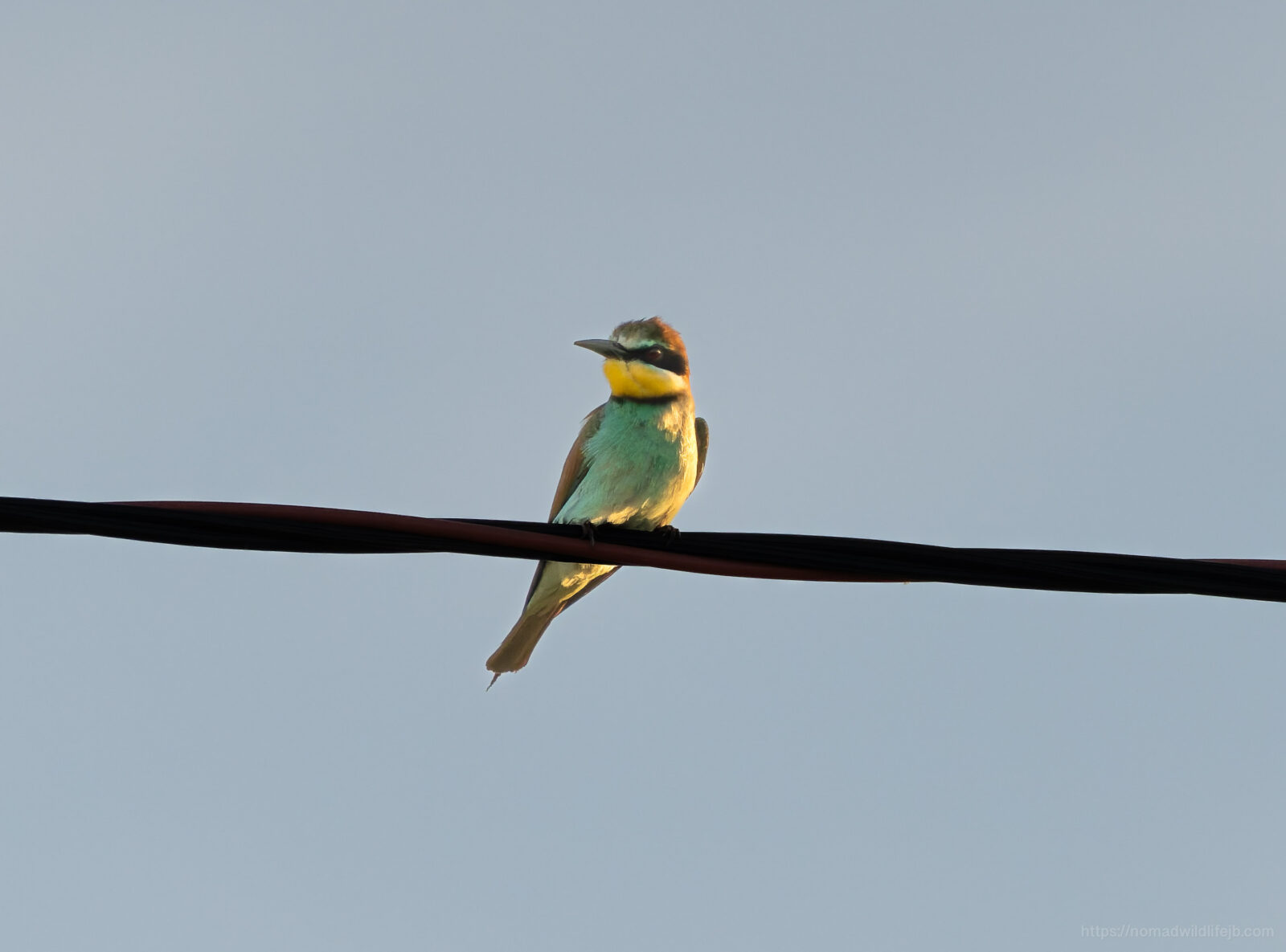
A European bee-eater perched on a Cold War-era power line, its bright feathers contrasting against rusting steel.
Spiders stretched webs between abandoned military structures.
Sparrows nested inside crumbling bunkers once designed to withstand bombardment.
Mediterranean shrubs slowly swallowed concrete walls that had once represented absolute human control.
The limestone cliffs remained exactly as they had long before engineers carved tunnels into them, and they will likely remain long after those tunnels collapse back into the earth.
Standing there, hot, exhausted, thirsty, and completely captivated, I couldn’t stop thinking about the strange contradiction surrounding us.
Military occupation and thriving wilderness rarely occupy the same landscape.
Yet somehow, here they do.
Sometimes history leaves behind something no one intended to preserve.
That may be the most remarkable thing about Sazan Island.
Not the bunkers.
Not the politics.
Not even the flamingos.
But the reminder that nature has an extraordinary ability to reclaim places built for conflict and, if given enough time and enough space, transform them into something entirely different.
People remember wars.
Landscapes remember time.
Long after today’s arguments are forgotten, the limestone will still meet the sea. The salt marshes will still breathe with the tides. Birds will continue crossing continents, just as they have for thousands of years.
Whether this place continues telling that story is no longer up to history.
It’s up to us.
It sounds like a beautiful place, and one definitely worth protecting. Thank you for sharing it with us!
It was such a cool place to get to visit! Thank you for reading! 🙂
the photos are stunning. thank you for telling this story.
Thank you so much momma!! It was a beautiful experience, the landscape makes the photos seem so effortless!
Simply powerful ! The world needs to know this story❤️😎🙏
Thanks pop!!🥰